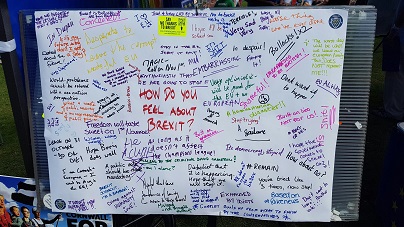



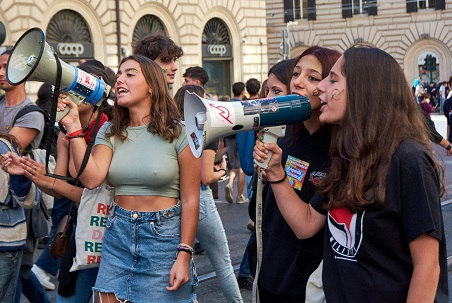
In recent years, there has been a marked increase in the visibility of youth engagement people’s opinions in various spheres of society. This trend has led to a growing perception that today’s youth are not only more vocal but also more opinionated than previous generations. Reports indicate that approximately 70% of millennials and Gen Z individuals feel compelled to speak out on social issues ranging from climate change to racial justice. Furthermore, platforms like social media empower younger generations to express their views more publicly and forcefully than ever before, thereby amplifying their voices across a global audience.
The engagement of young people with pressing social issues is not merely a passing phase but rather a response to the complexities and challenges faced in contemporary society. With unprecedented access to information, they are often considered to be more politically aware and socially conscious. For instance, surveys reveal that young adults are more likely to participate in protests and advocacy compared to older generations, signaling a shift towards active civic engagement. This is further corroborated by studies showing that they engage extensively with political content on social platforms, sparking discussions and mobilizing movements.
The implications of this phenomenon are profound, as the opinions of younger generations increasingly shape public discourse and influence policy-making. Whether championing causes like environmental sustainability, gender equality, or mental health awareness, young individuals play a pivotal role in bringing attention to issues that matter to them and their communities. As we delve deeper into this blog post, we will explore the underlying factors that contribute to the heightened expressiveness of young people’s opinions and the potential impacts on society in general.
Historical Context of Youth Opinions
Throughout history, young people have played a crucial role in shaping societal change through their activism and vocal opinions. One of the most significant periods in this regard was the Civil Rights Movement in the 1960s. Young activists, many of whom were students, took a stand against racial injustice, organizing marches, sit-ins, and protests. Their energy and determination brought national attention to issues of racial inequality, demonstrating that the voices of youth could influence policy and public opinion.
Another pivotal moment occurred during the Vietnam War when a large coalition of youth emerged in opposition to the conflict. Many young Americans, displeased with the war’s implications and the draft that compelled their peers to fight, participated in widespread protests and demonstrations. The youth-led movement spurred significant shifts in public perspective, ultimately contributing to a rise in anti-war sentiment across the nation. This era was marked by a palpable sense of urgency and conviction among young people, who not only questioned authority but actively sought to reshape political discourse.
Fast forward to contemporary times, movements such as the Climate Strikes and the March for Our Lives illustrate an evolving landscape of youth opinionation and activism. In these instances, young people have utilized social media platforms to galvanize support, share their concerns, and mobilize a global audience. The accessibility of digital communication has empowered today’s youth to amplify their voices on pressing issues like climate change, gun control, and social justice in ways that previous generations could not. Comparing these historical movements illustrates distinct yet recurring themes, highlighting the enduring nature of youth as catalysts for change.
Platforms for Expression
In today’s digital age, young people have unprecedented access to various platforms for expressing their opinions. Social media, blogs, and online forums have emerged as powerful tools that enable the youth to voice their thoughts, share experiences, and engage in discussions on countless topics. These platforms offer a level of immediacy and reach that traditional avenues of expression, such as print media, simply cannot match.
Social media platforms like Twitter, Instagram, and TikTok serve as essential spaces where young individuals can rapidly disseminate their viewpoints. These platforms allow users to share concise messages, images, or videos instantaneously, significantly impacting public discourse. For instance, hashtags related to social issues can trend in mere hours, mobilizing young activists and creating a collective voice around critical matters. As such, social media not only embodies a medium for personal expression but also becomes a vehicle for broader social movements and collective awareness.
Additionally, personal blogs and community forums present young people with opportunities to delve deeper into issues and connect with like-minded individuals. Blogs allow for more nuanced explorations of complex subjects, enabling youth to elaborate on their opinions thoughtfully. Forums, on the other hand, offer a conversational space where participants can engage in discussions, ask questions, and challenge each other’s views in a supportive environment. This interactive aspect fosters critical thinking and encourages the exchange of diverse perspectives.
In summary, the variety of platforms available for expression has empowered young people like never before, enhancing the velocity and volume of opinions shared. The digital landscape not only facilitates individual expression but also plays a crucial role in shaping public opinions and trends, marking a significant shift in how youth engage with the world around them.
Influence of Technology and Social Media
The advent of technology and the proliferation of social media have markedly transformed the landscape of opinion formation among young individuals. With the widespread availability of information at their fingertips, young people are now more equipped than ever to engage with diverse topics and express their viewpoints. The rise of smartphones and social networking platforms has fundamentally altered communication dynamics, granting youth the ability to voice their opinions to a global audience.
Access to information is perhaps the most significant factor. Young people can swiftly gather a variety of perspectives on current events, social issues, and cultural trends. This aspect can foster an environment where opinions are not only shaped but also actively debated in real-time. However, alongside this access comes a critical challenge—the influence of algorithms designed to curate content based on user behavior. These algorithms often create echo chambers that prioritize familiar viewpoints over diverse perspectives, potentially limiting exposure to contrasting opinions.
As a result, while technology amplifies the voices of young people, it may simultaneously reinforce existing biases. This dual effect raises questions about the authenticity and breadth of opinions formed in this digital age. Furthermore, the pressure to conform to popular or dominant narratives can stifle healthy discourse. In investigating whether young people are indeed more opinionated today, it is essential to consider how social media platforms can distort public dialogue, impacting the depth and diversity of opinions expressed.
In conclusion, technology and social media serve as both facilitators and barriers to opinion formation among young individuals. As they navigate this complex landscape, the ability to critically engage with information becomes crucial in determining whether they are genuinely more opinionated or merely echoing prevailing sentiments amidst widespread digital discourse.
Youth Engagement in Social and Political Issues
In recent years, young people have increasingly emerged as prominent voices in social and political discourse, particularly on issues such as climate change, social justice, and political engagement. This demographic, often characterized by their passion and innovation, has played a pivotal role in shaping discussions and driving movements that seek to address these critical topics.
One of the most notable examples of youth-led activism is the global climate movement, spearheaded by figures such as Greta Thunberg. Initiatives like the School Strike for Climate have mobilized students worldwide to advocate for immediate action against climate change, highlighting the urgency of environmental policies. These protests not only reflect a growing awareness among young people about the impacts of climate change but also illustrate their willingness to challenge established norms and demand accountability from policymakers and corporations.
Beyond climate action, young people are also at the forefront of advocating for social justice. Movements like Black Lives Matter have seen significant participation from youth, who organize rallies, campaigns, and online activism to promote equality and combat systemic racism. The use of social media as a tool for outreach and mobilization has been particularly effective, allowing young activists to amplify their message and connect with a broader audience. This digital engagement enables them to form communities and organize events rapidly, demonstrating their commitment to fostering change.
Furthermore, young individuals are increasingly participating in political processes, including voting and lobbying for reforms that reflect their values and priorities. The 2020 U.S. presidential election saw a significant increase in youth voter turnout, indicating that they are more willing than ever to influence the political landscape. Their engagement in these areas highlights not just a trend but a substantial shift in how the younger generation perceives their role in society and governance, paving the way for a more active and informed citizenry.
The Role of Education in Forming Opinions
The education system plays a crucial role in shaping the opinions of young individuals, influencing their ability to form, express, and defend their views. A significant factor in this process is the curriculum, which dictates the subjects and topics that students engage with throughout their academic journey. Over the years, there has been a noticeable shift towards incorporating critical thinking skills into education. This evolution encourages students to analyze information rather than passively accept it, promoting a culture where questioning and reasoning are valued. With the introduction of programs that emphasize analytical skills, students are better equipped to assess various perspectives on social, political, and environmental issues.
Moreover, the importance of debate in educational settings cannot be overlooked. Schools are increasingly introducing debate formats and discussion-based learning to facilitate open dialogue. These environments encourage students to articulate their thoughts and consider opposing viewpoints, fostering a more rounded approach to opinion formation. Such initiatives not only develop public speaking and reasoning skills but also instill a sense of empathy and respect for differing opinions, equipping young individuals to engage more constructively in societal debates.
It is essential to recognize that the influence of education on opinion formation is not solely confined to formal settings. Extracurricular activities, such as student-led organizations and community service projects, also contribute to shaping young people’s outlooks. In these settings, students often engage with diverse populations and encounter a variety of viewpoints, further solidifying their understanding of complex issues. Consequently, the education system serves as a foundation for developing critical opinions, enabling young people to navigate the complexities of the modern world effectively.
Generational Differences in Expression
The manner in which opinions are expressed varies significantly across generations, influenced by cultural, social, and technological factors. Traditionally, older generations have often adopted more reserved communication styles, prioritizing formal discourse and face-to-face interactions. Conversely, younger individuals are frequently perceived as more candid and outspoken, utilizing platforms like social media to share their viewpoints rapidly and widely. This generational divide in communication reflects deeper shifts in societal values and norms.
One prominent stereotype associated with younger individuals is their supposed propensity for activism and vocal expression. Social media has empowered them to amplify their voices and advocate for causes ranging from climate change to social justice. This digital revolution has not only facilitated the dissemination of opinions but has also contributed to an environment where young people feel encouraged to speak up. However, this vocal nature does not always correlate with effectiveness; the challenge lies in transforming opinions into meaningful action.
Older generations, on the other hand, have a rich history of opinion expression developed through traditional media and interpersonal communication. The effectiveness of their voices has often stemmed from experience and established networks, although they may be perceived as less adaptable to modern communication methods. Furthermore, older individuals may prioritize persuasive reasoning grounded in extensive knowledge or expertise, contrasting with the younger generation’s preference for emotional expression and immediacy.
It is essential to recognize that each generation brings valuable perspectives to the conversation. While young people may be more innovative in their methods of expression, the approach of older individuals, shaped by historical contexts, provides depth and insight. Understanding these generational differences in opinion expression allows for more productive intergenerational dialogues and collaborative efforts towards addressing common issues.
Potential Challenges and Backlash
In today’s rapidly evolving socio-political landscape, young individuals frequently encounter significant challenges when articulating their opinions. One major hurdle is the potential backlash from older generations who may harbor contrasting views. This generational divide can lead to a lack of understanding and respect, creating an environment where young voices are dismissed or ridiculed. Such experiences can discourage them from expressing their thoughts openly and freely.
Moreover, misunderstandings often arise from differing communication styles between generations. Young people, raised in the age of technology and social media, may express their thoughts in ways that older individuals find unfamiliar or disconcerting. This mismatch can result in misinterpretations, fostering a culture of hostility rather than fruitful dialogue. For instance, remarks made in a lighthearted manner may be perceived as disrespectful or overly aggressive, which can further complicate intergenerational discussions.
Another significant aspect to consider is the prevalence of social media harassment. With the swift spread of information and opinions on digital platforms, young individuals often face severe repercussions for their viewpoints. Cyberbullying and targeted harassment can deter them from sharing their ideas, even if those ideas address crucial social issues. This can lead to a pervasive fear of judgment, ultimately hindering their willingness to participate in essential conversations that shape societal norms.
Consequently, the challenges posed by backlash, misunderstandings, and online harassment create substantial barriers for young individuals striving to voice their opinions. Such factors not only impact the youth’s engagement in public discourse but can also lead to self-censorship, resulting in a less diverse array of perspectives in contemporary discussions. Addressing these challenges is critical for fostering an inclusive environment that encourages open and respectful dialogue across generations.
Conclusion
In examining the question of whether youth engagement people are more opinionated than previous generations, various findings indicate that today’s youth are indeed vocal and assertive about their beliefs. The integration of social media platforms has facilitated unprecedented levels of engagement, allowing younger individuals to express their views on a broad array of topics ranging from politics to social justice. This digital landscape not only encourages young voices to be heard but also amplifies their perspectives, making it easier for them to connect with like-minded individuals.
It is essential to recognize that the opinionated nature of youth today is in part a response to the unique challenges they face, including climate change, economic uncertainty, and sociopolitical upheavals. Unlike past generations, who might have been less inclined to share their thoughts publicly, today’s youth harness the power of technology to advocate for change actively. This shift has fostered a culture of dialogue that invites diverse perspectives, encouraging constructive discussions that span across different age groups.
The importance of listening to the voices of young people cannot be overstated. Engaging with their opinions provides insights that can shape future societal norms and policies. As society evolves, it becomes crucial to bridge the generational gap and create platforms where intergenerational dialogue is not only encouraged but celebrated. By doing so, we foster mutual understanding and collaboration that benefits all ages.
Ultimately, acknowledging the opinionated stance of the youth engagement generation can pave the way for positive change and community development. As we reflect on the evolving dynamics of youth perspectives, let us remain open to all voices and ensure that they resonate within our collective discourse.