



Stress and anxiety are prevalent issues that affect a significant portion of the world’s population. Stress management can be defined as the body’s natural response to challenging or threatening situations, prompting emotional and physical reactions. When faced with stressors, such as work demands, financial troubles, or personal relationships, individuals may experience a heightened state of arousal, known as the fight-or-flight response, which can lead to feelings of tension and irritability.
Anxiety, on the other hand, often arises as a psychological response characterized by persistent feelings of unease or apprehension about future events. It is not merely a reaction to an immediate stressor but can manifest even in the absence of a clear trigger. Common causes of anxiety include genetic predispositions, environmental factors, and individual temperament. Symptoms of anxiety may include restlessness, difficulty concentrating, increased heart rate, and avoidance behaviors, all of which can severely impact one’s quality of life.
Both stress and anxiety can significantly impede daily functioning. They can affect productivity at work or school, disrupt sleep patterns, and lead to strained relationships. Chronic stress and elevated anxiety levels have been linked to a variety of health issues, including cardiovascular disease, depression, and weakened immune function, underscoring the importance of addressing these mental health challenges.
In modern society, where individuals often face overwhelming pressures from various facets of life, understanding stress and anxiety becomes crucial. By recognizing the signs and causes of these conditions, individuals can take proactive measures to mitigate their effects. Developing daily habits aimed at reducing stress and anxiety is essential, not only for individual well-being but also for cultivating a healthier, more resilient community.
The Role of Daily Habits in Managing Stress
Daily habits play a crucial role in shaping our mental well-being and managing levels of stress and anxiety. The activities we engage in on a regular basis have an undeniable impact on our psychological health, influencing our ability to cope with various stressors. In observing our routines, it becomes evident that positive habits—such as regular exercise, a balanced diet, consistent sleep patterns, and mindfulness practices—can significantly enhance resilience and help mitigate symptoms of anxiety.
For instance, engaging in physical activity releases endorphins, often referred to as “feel-good” hormones, which can lead to improved mood and reduced levels of stress. Similarly, incorporating mindfulness techniques, such as meditation or yoga, into one’s daily routine can foster an increased sense of calm and promote emotional stability. These positive habits serve as effective tools for managing anxiety, establishing a foundation for a resilient mindset capable of handling various challenges.
Conversely, negative habits—such as excessive consumption of caffeine, irregular sleep patterns, or neglecting social connections—can exacerbate feelings of anxiety and stress. Such behaviors often create a vicious cycle, where stress leads to unhealthy choices, which in turn increases stress levels. For example, insufficient sleep can impair cognitive function, making it more difficult to manage stressors effectively, while isolation can lead to feelings of loneliness, further heightening anxiety.
Ultimately, the choices we make in our daily lives underscore the importance of habits in stress management. By fostering positive routines and being mindful of the behaviors that contribute to stress, individuals can take proactive steps toward enhancing their mental well-being. The psychological impact of consistency cannot be overlooked; cultivating beneficial daily habits lays the groundwork for a more balanced and resilient life.
Practical Daily Habits to Reduce Stress and Anxiety
Incorporating effective daily habits into one’s routine can greatly alleviate stress and anxiety. Here are some practical strategies to consider:
1. Mindfulness Meditation: Practicing mindfulness meditation involves focusing on the present moment while calmly acknowledging and accepting one’s feelings, thoughts, and bodily sensations. This practice can enhance emotional regulation, reduce stress, and promote overall mental clarity. Start with just five minutes each day, gradually increasing the time as you become more comfortable.
2. Physical Exercise: Engaging in regular physical activity is immensely beneficial for both physical and mental health. Exercise triggers the release of endorphins, known as the body’s natural mood lifters. Aim for at least 30 minutes of moderate exercise most days of the week. This could include activities such as walking, cycling, or yoga, which are also effective for reducing tension and anxiety.
3. Proper Nutrition: A balanced diet plays a crucial role in maintaining mental health. Consuming a variety of fruits, vegetables, lean proteins, and whole grains can stabilize energy levels and mood. Consider incorporating foods rich in omega-3 fatty acids, such as salmon and walnuts, and ensure adequate hydration to help manage stress levels effectively.
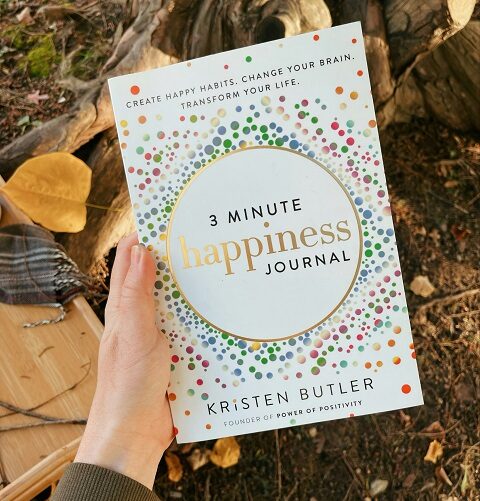
4. Journaling: Writing down thoughts and feelings can serve as an emotional outlet. Journaling provides a safe space to express concerns, articulate worries, and reflect on daily experiences. Set aside time each day to write about your thoughts, which can help clarify emotions and alleviate anxiety.
5. Consistent Sleep Schedule: Prioritizing quality sleep is fundamental to emotional well-being. Aim for seven to nine hours of restful sleep each night. Establishing a consistent sleep routine—going to bed and waking up at the same times daily—can help regulate body rhythms, improving mood stability and reducing stress.
By implementing these practical daily habits, individuals can significantly enhance their capacity to manage stress and anxiety, leading to a more balanced and fulfilling life.
Long-term Strategies for a Stress-Free Life
To foster a stress-free life, it is crucial to approach stress management as a sustained journey rather than a quick fix. The habits discussed previously can be integral in building resilience and helping individuals navigate life’s inevitable challenges. One essential strategy for long-term stress reduction is to regularly assess and adjust these habits to align with lifestyle changes and personal growth.
Building resilience involves cultivating a mindset that embraces flexibility and adaptability. Engaging in mindfulness practices, such as meditation and deep-breathing exercises, can enhance emotional regulation and provide an anchor during stressful times. Moreover, establishing a consistent routine that incorporates healthy lifestyle choices, including regular exercise, balanced nutrition, and adequate sleep, lays the groundwork for optimal mental health and well-being.
It is important to recognize the potential need for professional support when managing stress and anxiety in a long-term context. Therapy or counseling can facilitate deeper exploration of stress triggers and provide tailored strategies for coping. Seeking professional help can also enhance self-awareness, equipping individuals with the tools needed to face adversity with confidence.
As life evolves, individuals should remain open to adapting their stress management habits. This ongoing process not only addresses current needs but also anticipates future stressors, promoting a proactive stance toward mental health. Regular check-ins with personal goals and stress management techniques can empower individuals to remain committed to their well-being.
In conclusion, the commitment to long-term strategies not only empowers individuals to manage stress effectively but also enhances overall mental health. Emphasizing a comprehensive approach that includes resilience building, professional support when necessary, and adaptability will ensure that individuals can navigate their stress management journey successfully.