



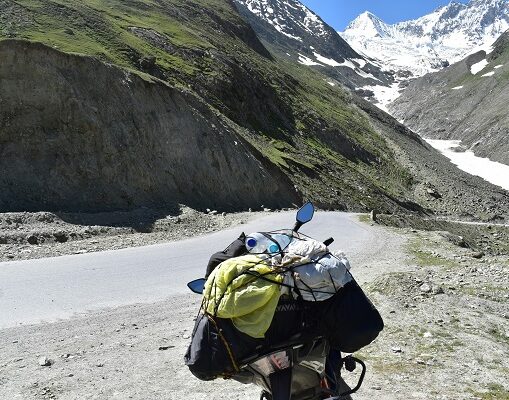
Mountain travel safety offers breathtaking views and an opportunity to connect with nature, but it also comes with several inherent risks that travelers must recognize and prepare for. One of the primary concerns is the unpredictability of weather conditions. In mountainous regions, weather can change rapidly; a sunny day can quickly turn into a storm, leading to dangerous situations such as flash floods, landslides, or extreme cold. It is essential to monitor forecasts and be prepared with appropriate clothing and gear for all weather scenarios.
Altitude sickness is another significant risk associated with mountain travel. As elevation increases, the amount of oxygen in the air decreases, which can lead to symptoms such as headache, dizziness, and even respiratory distress. To mitigate this risk, travelers should acclimatize gradually, ensuring that they spend a few days at lower elevations before ascending to higher altitudes.
Wildlife encounters can also pose risks during mountain excursions. While most animals tend to avoid humans, unexpected interactions may occur, particularly if food is improperly stored or if travelers venture too close to animal territories. Educating oneself about local wildlife and practicing safe food storage methods is crucial in minimizing these encounters.
Lastly, navigational challenges can lead to dangerous situations, especially in unfamiliar terrains where trails may not be well marked. Lack of proper navigation tools and skills can result in getting lost, which can be compounded by adverse weather and lack of visibility. Travelers should invest in maps, GPS devices, and navigation training to enhance their ability to traverse mountain landscapes safely.
Planning a mountain travel trip requires meticulous preparation and foresight to ensure safety and enjoyment. The first step in this journey is to research the area you intend to explore. Familiarize yourself with the local terrain, weather conditions, and potential hazards that may accompany your trip. Utilize resources such as guidebooks, websites, and local outdoor clubs to gather valuable insights about the region.
Once you have sufficient information about the area, create a detailed itinerary that outlines your planned route, estimated travel times, and key waypoints. This will not only enhance your preparedness but also provide a useful reference for emergency services if needed. Including alternative routes in your plan can be beneficial should unforeseen circumstances arise, such as bad weather or trail closures.
Depending on the location and the activities planned, different permits may be required for access. Be diligent in checking the regulations for the area and secure any necessary documents well in advance. This step is crucial as failure to obtain permits could result in fines or even prohibited access to certain trails.
Gathering the appropriate gear is another vital element of pre-trip preparations. Essential items include sturdy hiking boots, appropriate clothing layers, navigation tools, and emergency kits. Additionally, consider your personal fitness level; mountain travel can be physically demanding, so ensure you’re sufficiently fit for the intended activity level. Training, such as hiking on local trails or engaging in endurance exercises, can significantly enhance your experience.
Choosing the right season for your mountain trip is also crucial. Research the best times for favorable weather conditions and trail accessibility. Some regions are only approachable during specific months due to snow or rainfall. Finally, ensure that you are fully prepared for mobility, such as being aware of your route’s elevation changes and ensuring that you have the design of your hike adequately planned.
Essential Gear and Equipment for Mountain Trips
When planning a mountain travel trip, it is crucial to consider the necessary gear and equipment to ensure safety and comfort. The right equipment can greatly enhance the experience while mitigating risks associated with outdoor adventures. Here is a comprehensive guide to essential items you should consider bringing on your mountain trip.
Firstly, proper clothing is a fundamental part of your mountain gear. Layering is key; base layers (such as moisture-wicking fabrics) help regulate body temperature, while insulating layers (like fleece or down) provide warmth, and waterproof outer layers shield against the elements. It is advisable to choose clothing suited to the specific climate of the mountains you are visiting, ensuring comfort and protection from wind, rain, and snow.
Navigation tools are also vital for any mountain trip. A map and compass should be staples in your gear, as electronic devices can fail due to battery depletion or adverse weather conditions. Familiarize yourself with the area in advance, and consider carrying a GPS device or smartphone equipped with offline maps for added security.
Another critical item on your list should be a well-stocked first-aid kit. It is essential to include items such as adhesive bandages, antiseptic wipes, and a splint, alongside personal medications. Being prepared for minor injuries can significantly impact the success of your trip.
Survival gear often encompasses tools such as a multi-tool, fire-starting equipment, and a durable flashlight. In emergency situations, these items can make a considerable difference. Always ensure that your gear is of high quality and suitable for the mountain environment you will be navigating. Investing in reputable brands increases reliability when it matters most.
In summary, proper planning and selecting high-quality gear are indispensable for a safe and enjoyable mountain adventure. Make sure to assess your specific needs based on the terrain, weather, and duration of your trip to ensure that you are fully equipped for the challenges that lie ahead.
Safety Guidelines During the Trip
When embarking on a mountain travel trip, safety should be at the forefront of every adventurer’s mind. It is critical to follow several important guidelines that can help ensure not only personal safety but also that of your companions. One fundamental practice is the buddy system. Always travel with at least one partner, which enhances safety by enabling each person to monitor the other, thereby reducing individual risk. Together, you can assist each other in case of emergencies or physical difficulties.
Recognizing environmental signs is also essential in navigating the wilderness. Weather conditions can change abruptly in mountainous areas, so being aware of signs that suggest an impending storm, such as sudden drops in temperature or darkening skies, is crucial. Additionally, understanding how to interpret trail markers will help guide your journey effectively, ensuring you stay on the intended path and avoid unnecessary detours.
Staying hydrated cannot be overstated. Dehydration can lead to serious health concerns and significantly impair physical performance. Always carry enough water and make it a habit to drink regularly, even before feeling thirsty. Remember to respect the environment as well; adhering to ‘Leave No Trace’ principles not only protects the natural habitat but also maintains the quality of trails for other users.
Finally, constant vigilance is necessary when traveling in the mountains. Conditions can change rapidly, so be prepared to adapt your plans and routes as needed. Whether it’s taking different precautions to handle unexpected weather or altering your course due to trail conditions, staying flexible and aware will significantly enhance your safety during the trip. By following these safety guidelines, you can enjoy a more secure and comfortable experience in the mountains.