



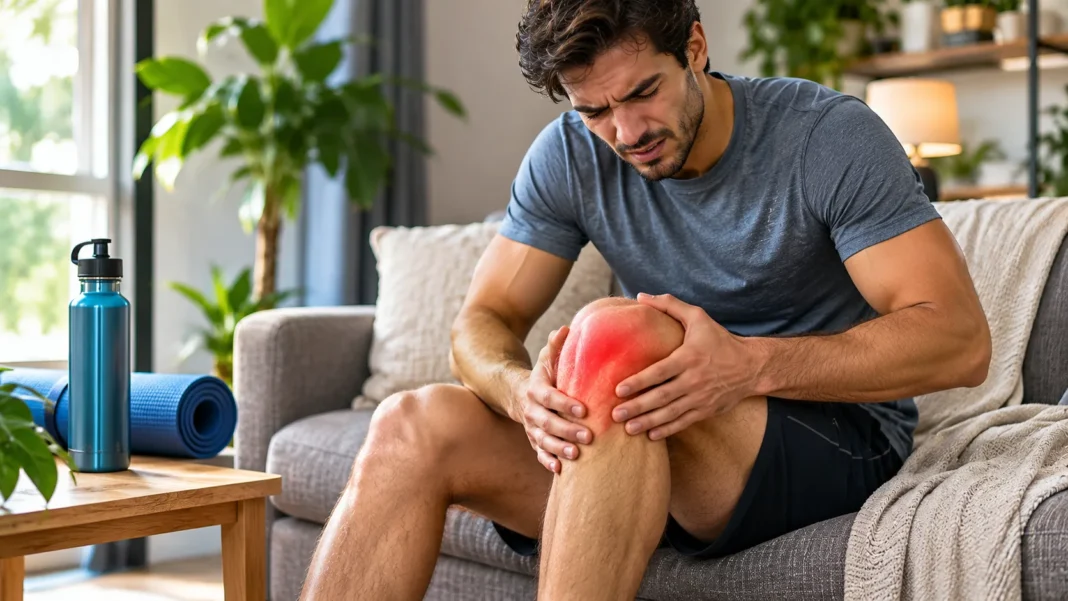
Knee pain can make everyday activities such as walking, climbing stairs, exercising, and standing uncomfortable. You might experience a dull ache, sharp discomfort, stiffness, or swelling around the joint. Sometimes the pain appears after physical activity, while other times it develops gradually without an obvious injury. Understanding what might be causing your symptoms is the first step toward finding appropriate relief.
If you have been asking yourself, “Why is my knee hurting?”, several possible explanations are worth considering. Overuse, muscle strain, arthritis, ligament injuries, and inflammation can all contribute to knee discomfort. This guide explains common causes, symptoms to recognize, practical relief options, and when professional medical attention may be necessary.
Why Is My Knee Hurting Without an Obvious Injury?
Knee pain can develop even when you have not experienced a fall, accident, or sudden injury. Everyday activities place repeated demands on the muscles, tendons, and joints that support your legs. Walking longer distances than usual, standing for extended periods, or increasing exercise intensity can sometimes cause discomfort without a specific triggering event.
Overuse is one possible explanation when knee pain develops gradually. Repetitive movements may irritate tendons, surrounding tissues, or structures within the joint. This discomfort can become more noticeable after running, climbing stairs, squatting, or participating in activities that involve repeated bending and straightening of the knee.
However, unexplained knee pain is not always related to physical activity. Arthritis, bursitis, nerve irritation, and other medical conditions can also produce discomfort. The location, duration, and accompanying symptoms may provide useful clues, but a healthcare professional is needed to determine the underlying cause when pain persists or becomes worse.
Understanding the Structure of Your Knee Joint
The knee is a complex joint that connects the thighbone, shinbone, and kneecap. These bones work with cartilage, ligaments, tendons, and surrounding muscles to support movement and stability. The joint allows your leg to bend and straighten while helping distribute forces during activities such as walking, running, and climbing stairs.
Cartilage covers important joint surfaces and helps reduce friction during movement. The menisci are two cushioning structures that support load distribution between the thighbone and shinbone. Ligaments help stabilize the joint, while tendons connect muscles to bones and contribute to controlled movement.
Because several structures work together, knee pain can develop from different sources. Discomfort may involve the joint surfaces, supporting soft tissues, or surrounding nerves. Understanding basic knee anatomy helps explain why pain can occur in different locations and why treatment should address the specific problem rather than the symptom alone.
Common Causes of Knee Pain in Everyday Life
Many people experience knee pain because of temporary irritation or excessive physical demands. Repeated kneeling, climbing stairs, or performing unfamiliar exercises may place stress on tissues that are not accustomed to the activity. Symptoms can include soreness, tenderness, stiffness, or discomfort that becomes more noticeable during particular movements.
Muscle weakness and changes in movement patterns may also contribute to some knee problems. The quadriceps, hamstrings, and hip muscles work together to control leg movement and support the knee. When these muscles are not functioning comfortably, certain activities may place additional demands on surrounding tissues.
Other causes include arthritis, tendon problems, bursitis, and injuries affecting ligaments or cartilage. Some conditions develop gradually, while others begin suddenly after an awkward movement. Because symptoms overlap, identifying the cause often requires considering your medical history, activity patterns, and findings from a physical examination.
Why Does the Front of My Knee Hurt?
Pain at the front of the knee commonly involves structures surrounding the kneecap. This region contains tendons, cartilage, and joint surfaces that help the knee move during walking and bending. Discomfort may become noticeable when climbing stairs, squatting, running, or sitting with bent knees for extended periods.
Patellofemoral pain is one possible cause of discomfort around or behind the kneecap. It may develop when activities repeatedly load the joint beyond its current tolerance. People sometimes describe the pain as aching, pressure, or discomfort that increases during activities requiring repeated knee bending.
Patellar tendon problems can also produce pain near the front of the knee, particularly below the kneecap. These symptoms may occur during jumping, running, or other demanding activities. Treatment depends on the cause and may include activity modification, appropriate strengthening, or rehabilitation guided by a qualified healthcare professional.
What Causes Pain on the Inside of the Knee?
The inner side of your knee contains ligaments, cartilage, tendons, and other supporting tissues. Pain in this area may develop after repeated activity, an awkward movement, or irritation of nearby structures. The discomfort can feel localized or spread around the joint, depending on the tissues involved.
The medial collateral ligament supports the inner side of the knee and can become injured during certain twisting or sideways movements. The medial meniscus may also develop problems that cause joint pain, catching, or swelling. However, pain in this location does not automatically indicate a ligament or cartilage injury.
Other possible causes include osteoarthritis and irritation around the pes anserine tendons or bursa. These conditions can produce tenderness or discomfort during walking and stair climbing. If the knee becomes unstable, swollen, or difficult to move, medical assessment can help identify the problem and guide suitable treatment.
Why Does the Outside of My Knee Hurt?
Pain along the outer knee may involve the iliotibial band, ligaments, meniscus, or surrounding nerves. This area experiences repeated movement during walking, running, and cycling. Symptoms may begin gradually after increased activity or appear suddenly following an injury that affects the side of the joint.
Iliotibial band syndrome is one possible cause of activity-related pain along the outside of the knee. It is often associated with repetitive knee movement, particularly among runners and cyclists. The discomfort may increase during exercise and improve when aggravating activities are reduced.
Lateral meniscus injuries and ligament problems can also affect the outer knee. These conditions may produce swelling, catching, instability, or pain during certain movements. Because different problems can cause similar symptoms, recurring discomfort should be assessed rather than repeatedly treated as a simple overuse issue.
What Causes Pain Behind the Knee?
Pain behind the knee can come from muscles, tendons, joint structures, nerves, or blood vessels. This region contains several important tissues that contribute to leg movement and circulation. Discomfort may develop during walking, bending, standing, or after physical activity, depending on the underlying cause.
A Baker’s cyst is one possible explanation, particularly when you notice fullness or swelling behind the joint. This fluid-filled swelling can occur alongside arthritis or other conditions affecting the knee. Some people experience tightness or discomfort, while others have a cyst without significant symptoms.
Hamstring tendon irritation and other musculoskeletal problems can also cause pain behind the knee. However, new swelling or tenderness involving one leg or calf requires prompt medical assessment because a blood clot is another possibility. Sudden breathing difficulties or chest pain alongside leg symptoms require emergency care.
Can Arthritis Cause Knee Pain and Stiffness?
Arthritis is a common cause of persistent knee pain, particularly when discomfort occurs alongside stiffness or reduced mobility. Osteoarthritis involves changes affecting cartilage, bone, and other joint tissues over time. Symptoms may become more noticeable during activity or after periods of inactivity, although the pattern varies between individuals.
Inflammatory arthritis can also affect the knee and surrounding structures. Rheumatoid arthritis and other inflammatory conditions may cause swelling, tenderness, warmth, or prolonged morning stiffness. These symptoms can resemble other joint problems, making professional evaluation important when the cause is uncertain.
Arthritis treatment depends on the specific diagnosis, symptom severity, and individual health needs. Appropriate physical activity, strengthening exercises, medication, and other treatments may help manage symptoms. Early assessment can support effective care and help people maintain comfortable movement without relying on unproven remedies.
Why Does My Knee Hurt When I Walk?
Walking places repeated forces through the knee as your body moves forward. If muscles, tendons, or joint structures are irritated, this movement may trigger discomfort. Pain can appear immediately after walking begins, develop over longer distances, or become more noticeable when walking uphill or downhill.
Knee osteoarthritis, patellofemoral pain, and certain tendon problems may cause discomfort during walking. Footwear, walking surfaces, and recent changes in activity can influence how the joint responds. However, no single factor explains every case, and pain location alone cannot reliably identify the underlying condition.
If walking causes mild discomfort, consider reducing the distance temporarily and choosing a comfortable pace. Avoid continuing through increasing pain, instability, or symptoms that affect your ability to bear weight. Persistent walking-related knee pain should be evaluated so that appropriate movement and treatment recommendations can be developed.
Why Does My Knee Hurt When I Bend or Squat?
Bending and squatting require coordinated movement between the knee, hip, and ankle joints. These actions also place increasing demands on the muscles and tissues supporting your legs. When the knee is irritated, deeper bending may produce aching, pressure, or sharp discomfort around the joint.
Patellofemoral pain is one possible cause of discomfort during squatting. Meniscus problems, arthritis, and certain tendon conditions may also produce symptoms when the knee bends. Some people notice swelling or a catching sensation, while others experience pain only during specific movements.
Reducing the depth of a squat or modifying an aggravating activity may help temporarily. However, forcing repeated deep bends through pain can worsen symptoms in some conditions. If bending causes locking, significant swelling, or persistent pain, seek professional guidance before returning to demanding exercises.
Why Does My Knee Hurt After Running or Exercise?
Knee pain after exercise may develop when training demands increase faster than your body can comfortably adapt. Running, jumping, and other repetitive activities place stress on muscles, tendons, and joint structures. Sudden changes in exercise frequency, intensity, or distance can contribute to irritation and discomfort.
Patellofemoral pain, patellar tendon problems, and iliotibial band syndrome are possible causes of exercise-related knee symptoms. Muscle fatigue and changes in movement control may also influence how forces are distributed through the legs. However, pain should not automatically be attributed to poor technique or inadequate strength.
When discomfort develops, reduce activities that clearly aggravate the knee and allow symptoms to settle. Continue comfortable movement when appropriate rather than assuming complete inactivity is necessary. If pain repeatedly returns, a physiotherapist can assess contributing factors and recommend a suitable strengthening and return-to-activity plan.
Why Does My Knee Hurt at Night or While Resting?
Knee pain can become more noticeable at night because fewer distractions make discomfort easier to recognize. Some people experience stiffness after remaining in one position for an extended period. Others notice aching, warmth, or pain that interrupts sleep, depending on the underlying condition.
Arthritis, inflammation, and certain injuries may contribute to nighttime discomfort. Nerve-related conditions can also cause unusual sensations around the knee or leg. However, pain during rest does not automatically identify a particular diagnosis, and the presence of additional symptoms is important.
Try adjusting your resting position to keep the leg comfortably supported without forcing the joint. If pain repeatedly interrupts sleep, becomes progressively worse, or occurs with unexplained swelling, arrange medical evaluation. Persistent nighttime pain should not be dismissed as ordinary soreness without considering other potential causes.
How to Relieve Mild Knee Pain at Home
Mild knee discomfort may improve with temporary adjustments to activities that aggravate symptoms. Reducing repeated jumping, deep squatting, or prolonged kneeling can allow irritated tissues to settle. However, gentle movement within a comfortable range is often preferable to prolonged inactivity when no serious injury is present.
A wrapped cold pack may help manage pain and swelling associated with some recent injuries or irritated tissues. Apply it briefly, usually for approximately 10–20 minutes, while checking your skin regularly. Avoid placing ice directly against the skin, especially if you have circulation problems or reduced sensation.
Comfortable elevation may also help with certain types of swelling, and suitable supportive equipment may be recommended for specific conditions. Over-the-counter pain relief is another option for some people, but medications have potential risks and are not appropriate for everyone. Ask a qualified healthcare professional or pharmacist about suitable choices when necessary.
Should You Use Ice or Heat for Knee Pain?
Ice and heat can both provide temporary relief, but they may be useful in different situations. Cold therapy is often preferred for some recent injuries or areas affected by mild swelling. Heat may feel more comfortable when stiffness or muscle tension is present without significant swelling or unusual warmth.
Use a towel between your skin and any cold or warm treatment. Avoid temperatures that cause discomfort, numbness, or skin irritation, and never sleep with an electric heating pad switched on. People with impaired circulation or reduced sensation should seek professional guidance before using either treatment.
A knee that becomes unusually hot, red, swollen, or extremely painful requires more than routine temperature-based self-care. These symptoms can sometimes indicate a serious inflammatory problem or joint infection. Seek prompt medical attention, particularly when warmth and swelling occur alongside fever or feeling unwell.
Gentle Exercises That May Support Knee Health
Appropriate exercises can help maintain strength, movement, and confidence when knee discomfort allows physical activity. Muscles around the thighs, hips, and calves contribute to controlling forces across the knee. Strengthening these areas may support joint function, although exercises should be selected according to the underlying condition.
One beginner-friendly movement is a seated knee extension performed within a comfortable range. Sit on a stable chair, slowly straighten one leg, and return it without forcing the movement. Another option is a gentle heel slide while lying down, bending and straightening the knee only as far as comfortable.
Exercises such as supported sit-to-stands and small-range calf raises may also be useful for suitable individuals. Begin with manageable movements and stop if pain increases or new symptoms develop. A physiotherapist can recommend an individualized program when pain persists or when an injury requires specific rehabilitation precautions.
Common Knee Pain Mistakes That Can Delay Recovery
One common mistake is continuing demanding activities despite increasing knee pain. Repeatedly pushing through sharp discomfort, instability, or noticeable swelling may aggravate an existing problem. Adjusting exercise intensity or temporarily avoiding painful movements is often more useful than ignoring symptoms to maintain a routine.
Another mistake is relying entirely on rest while avoiding all comfortable movement for extended periods. Prolonged inactivity can contribute to muscle weakness and stiffness in some situations. The appropriate balance depends on the diagnosis, but gentle activity and guided rehabilitation often support recovery when serious injuries have been excluded.
Self-diagnosing knee pain based only on its location can also lead to unsuitable treatment decisions. Several conditions produce similar symptoms, including arthritis, tendon irritation, and meniscus injuries. If discomfort persists, professional assessment can help identify the cause and prevent unnecessary delays in receiving appropriate care.
How to Prevent Knee Pain During Daily Activities
Maintaining knee health involves regular movement, balanced muscle strengthening, and reasonable activity progression. Everyday tasks such as walking, climbing stairs, and carrying objects place changing demands on the legs. Comfortable physical activity can help maintain strength and mobility without requiring excessive exercise or complicated routines.
When introducing a new activity, increase the demands gradually rather than making several major changes at once. Allow suitable recovery between challenging sessions and pay attention to recurring discomfort. Footwear that feels comfortable and supports your intended activity may also improve your overall movement experience.
Avoid assuming that one posture, exercise technique, or stretching routine will prevent every knee problem. Different activities and medical conditions influence joint symptoms in different ways. Consistent movement, appropriate strength training, and early attention to persistent discomfort provide a more practical foundation for long-term knee care.
When Should You See a Doctor for Knee Pain?
Mild knee pain may improve with appropriate activity adjustments and simple self-care measures. However, symptoms that persist, become worse, or repeatedly interfere with walking and daily activities deserve medical evaluation. A healthcare professional can determine whether the problem involves an injury, inflammation, arthritis, or another condition.
Seek urgent assessment if the knee becomes significantly swollen, unusually hot, red, or extremely painful. A serious injury, obvious deformity, or inability to bear weight also requires prompt medical attention. Fever accompanying a painful, swollen joint can indicate an infection that needs urgent treatment.
New numbness, major weakness, or unexplained one-sided leg swelling should not be ignored. Sudden chest pain or difficulty breathing alongside leg swelling requires emergency medical care. Recognizing these warning signs helps distinguish situations suitable for routine assessment from those requiring immediate professional attention.
How Healthcare Professionals Diagnose Knee Pain
Diagnosing knee pain usually begins with a discussion of your symptoms and medical history. A clinician may ask when the discomfort started, where it occurs, and which activities make it better or worse. Information about previous injuries, swelling, stiffness, and changes in mobility can help identify possible causes.
A physical examination may involve checking tenderness, joint movement, swelling, stability, and the surrounding muscles. The clinician may also observe walking or other movements to understand how the knee functions. These findings can help distinguish between potential joint, tendon, ligament, and nerve-related problems.
Imaging or laboratory tests are not necessary for every case of knee pain. When appropriate, X-rays, ultrasound, MRI, or blood tests may provide additional information about suspected conditions. The choice of testing depends on the examination findings, medical history, and whether symptoms suggest a problem requiring further investigation.
Treatment Options for Persistent Knee Pain
Persistent knee pain often requires treatment directed at the underlying cause rather than the discomfort alone. Some conditions improve with rehabilitation, activity modification, and gradual strengthening exercises. Others, including inflammatory arthritis or significant structural injuries, may require medications, additional investigations, or specialist treatment.
Physiotherapy can help address reduced strength, movement limitations, and difficulties with everyday activities. A personalized rehabilitation program may include controlled exercises, education, and a gradual return to physical activity. Treatment should consider how symptoms respond over time rather than following a fixed routine regardless of individual needs.
In certain cases, healthcare professionals may discuss medications, supportive devices, injections, or surgical evaluation. These options depend on the diagnosis, severity, and response to conservative treatment. Understanding available choices can help patients participate in informed decisions while avoiding unnecessary or unsuitable interventions.
Conclusion
If you are wondering “Why is my knee hurting?”, several conditions may explain the discomfort. Overuse, arthritis, tendon irritation, ligament injuries, and cartilage problems can all affect the knee. The location and pattern of pain provide useful clues, but they cannot reliably establish a diagnosis without considering other symptoms and clinical findings.
Mild knee pain may improve with comfortable movement, temporary activity modification, and suitable home care. Gentle strengthening and appropriate rehabilitation can also support joint function when matched to your needs. However, persistent pain, worsening swelling, or repeated limitations in everyday activities should be evaluated by a healthcare professional.
Pay attention to important warning signs, especially severe swelling, a hot joint, significant injury, or unexplained leg symptoms. Early assessment can help identify conditions requiring prompt treatment and guide a safer return to normal movement. With appropriate care and realistic activity adjustments, many causes of knee pain can be managed effectively.
Frequently Asked Questions
Why is my knee hurting for no reason?
Knee pain without an obvious injury may result from overuse, arthritis, tendon irritation, or other joint conditions. A healthcare professional can help identify the cause when symptoms persist or worsen.
How can I relieve knee pain quickly at home?
For mild discomfort, reduce painful activities, move gently, and consider using a wrapped cold pack. Seek medical advice if pain is severe, swelling increases, or you cannot comfortably bear weight.
Why does my knee hurt when I bend it?
Pain during bending may involve patellofemoral irritation, arthritis, meniscus problems, or tendon conditions. The exact cause depends on additional symptoms, examination findings, and whether the pain began after an injury.
Is walking good or bad for knee pain?
Walking can be helpful when it remains comfortable and does not worsen symptoms. Adjust your pace or distance when necessary, and seek professional guidance if walking repeatedly causes significant discomfort.
When should I worry about knee pain?
Seek urgent medical attention for a hot, swollen joint, fever, severe injury-related pain, or inability to bear weight. New one-sided leg swelling also needs prompt assessment, especially with breathing difficulties.



[…] Why Is My Knee Hurting? Causes & Relief Options […]