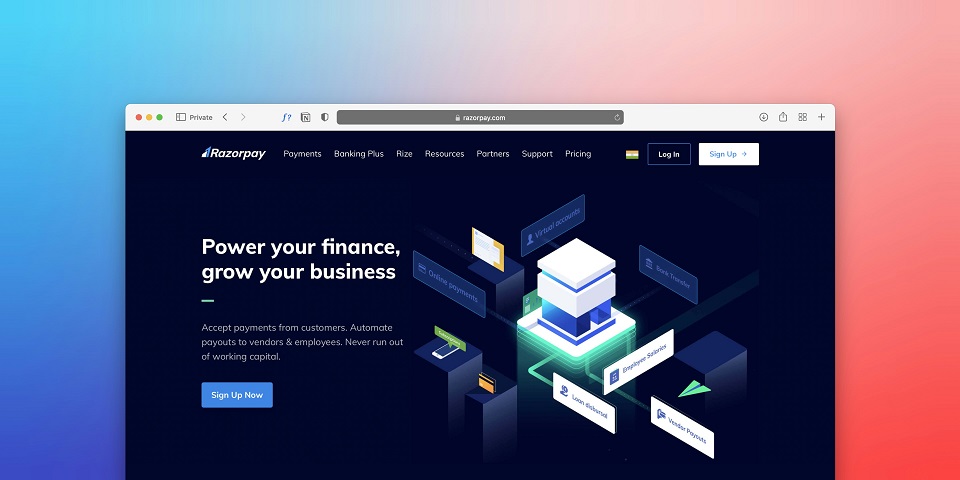




The startup ecosystem is a dynamic and rapidly evolving arena that presents vast opportunities for entrepreneurs eager to develop innovative solutions. In recent years, several key trends have emerged, shaping the types of startups that thrive in today’s market. With an increasing reliance on technology, sectors such as fintech, health tech, and e-commerce are flourishing, driven by consumer demand for convenience and efficiency. To effectively navigate this environment, thorough market research is essential. Understanding customer needs and pain points enables startup founders to tailor their offerings, ensuring they address specific market gaps. Conducting surveys, interviews, and focus groups can yield valuable insights into consumer behavior and preferences, which are critical for shaping business strategies.
Furthermore, the role of innovation cannot be overstated. Startups that leverage cutting-edge technologies such as artificial intelligence, blockchain, and the Internet of Things often find themselves at a competitive advantage. These technologies not only enhance product offerings but also streamline operations, allowing startups to optimize resources and improve customer experiences. The emergence of remote work tools and digital collaboration platforms, catalyzed by recent global events, has also reshaped how startups operate, making it easier for entrepreneurs to connect with talent and advisors regardless of geographical constraints.
In summary, the startup landscape is characterized by a blend of technological advancement and a deep understanding of market needs. Entrepreneurs must prioritize comprehensive market research and embrace innovation to create startups that can thrive amidst competition. By aligning their strategies with the current trends and leveraging technology, startups can meet customer demands effectively and establish a strong foothold in the market.
Identifying Your Niche and Business Idea
In the journey of creating a successful startup from scratch, identifying the right niche and business idea is a pivotal first step. To begin this process, it’s essential to reflect on your personal passions, skills, and experiences. Understanding what truly excites you can lead to ideas that not only inspire you but also resonate with potential customers. By aligning your personal strengths with market demands, you increase the likelihood of developing a sustainable and engaging business.
Brainstorming is a fundamental method for generating potential business ideas. Set aside dedicated time to jot down every idea that comes to mind, no matter how unconventional it may seem. Utilizing techniques such as mind mapping or listing can aid in visualizing connections between your interests and market opportunities. It’s beneficial to involve others in this process, as collaboration often leads to heightened creativity and the emergence of unique concepts.
Once you have a pool of ideas, the next step is to conduct thorough market analysis to identify gaps that your business could fill. Investigating current trends, customer complaints, and desires in the marketplace can reveal essential insights. Pay close attention to competitors; evaluating their strengths and weaknesses can illuminate opportunities for differentiation. Additionally, obtaining customer feedback is crucial in refining your idea. Engage potential customers through surveys, interviews, or focus groups to validate your chosen concept and ensure it meets their needs.
This iterative process of ideation and validation helps to fine-tune your business idea, ensuring it is well-positioned in the market. Ultimately, by carefully identifying your niche and rigorously testing your concepts, you lay a strong foundation for your startup to thrive in a competitive business landscape.
Creating a Solid Business Plan
A well-crafted business plan serves as the foundation for any successful startup. It acts as both a roadmap and a persuasive document that can attract investors and stakeholders. An effective business plan typically includes several key components, each serving a distinct purpose in outlining the vision and operational structure of the business.
The first crucial element is the executive summary, which provides a concise overview of the entire plan. This section should clearly articulate the mission statement, the vision of the business, and the overall goals. It is essential to capture the reader’s attention and encourage them to delve deeper into the details of the plan.
Following the executive summary, a comprehensive market analysis is indispensable. This part involves researching the target market, identifying customer demographics, and understanding competitors within the industry. Highlighting trends and growth potential will demonstrate the viability of the startup’s concept, thus justifying its existence in a competitive landscape.
Next, the organization structure outlines how the startup will function internally. This includes detailing the management team, their roles, and any advisory board if applicable. Clearly defined roles establish accountability and facilitate better decision-making.
The product line section elaborates on the offerings of the startup, including descriptions, pricing strategies, and unique selling propositions. It is vital to explain how the products or services meet a specific need in the market.
Equally important is the marketing strategy, which outlines the approach to reaching customers. This section may encompass branding, advertising, sales tactics, and distribution channels, all tailored to effectively engage the target audience.
Lastly, the financial projections provide a forecast of revenues, expenses, and profitability, typically covering a period of three to five years. These projections demonstrate not only the potential for financial success but also indicate the viability of the startup’s plan.
In summary, a robust business plan is a dynamic tool that requires regular updates as the market evolves. By addressing these key components, entrepreneurs can navigate the complexities of launching a startup with a well-defined pathway to success.
Financing Your Startup: Options and Strategies
Securing adequate financing is a critical aspect of launching a successful startup. Various funding options are available, each with distinct advantages and challenges. Understanding these options can significantly impact the trajectory of your business.
One of the most common methods for financing is bootstrapping, which involves using personal savings or reinvesting profits from the business to maintain operations. This approach ensures that entrepreneurs retain ownership and control over their startups, but it may limit growth potential due to constrained cash flow.
Another viable option is seeking out angel investors. These individuals are typically affluent entrepreneurs or retired business professionals who invest their personal funds in startups. In exchange for their investment, they often seek equity and can provide not only capital but valuable mentorship and networking opportunities.
Venture capital is another funding avenue worth considering, especially for startups with high growth potential. Venture capital firms invest large sums of money in return for equity stakes and often look for substantial returns within a few years. This form of financing can significantly accelerate growth; however, it often results in a dilution of ownership.
Crowdfunding has also emerged as a popular alternative, allowing entrepreneurs to raise small amounts of money from a large number of people, typically via online platforms. This method can simultaneously serve as a marketing tool by gauging consumer interest in the product before its launch.
Additionally, traditional loans from banks or financial institutions can be utilized to finance your startup. While these loans provide immediate capital, they must be repaid with interest, which can add financial pressure to a new business owner.
Preparing an effective pitch is crucial when approaching investors. Start by creating a comprehensive financial plan that includes projections for revenue, expenses, and cash flow management strategies. Being clear about how you plan to manage resources will instill confidence in potential financiers.
Building a Strong Team
One of the foundational elements for any startup’s success is the formation of a cohesive and capable team that aligns with the founder’s vision. A strong team not only enhances productivity but also fosters innovation and creativity, essential components in a competitive market. As such, recruiting talent should be one of the foremost priorities for entrepreneurs when establishing their startup.
To begin with, it is crucial to identify the core values and mission of your startup. This clarity will aid in attracting individuals who resonate with those ideals. Look for candidates who not only possess the requisite skills but also demonstrate a passion for the industry and a commitment to the vision of your startup. During the recruitment process, consider utilizing a range of channels such as online job boards, social media platforms, and professional networking sites to reach a wider audience.
Once you have attracted potential candidates, establishing a positive company culture should remain a priority. A healthy work environment fosters collaboration and boosts employee morale. Encourage open communication and create spaces for team-building activities, which can strengthen interpersonal relationships among team members. This collaborative atmosphere promotes loyalty and inspiration, which are invaluable in the early stages of a startup.
In addition to recruiting and culture, initially, focus on filling key positions that are critical to business operations. Roles such as a product manager, marketing specialist, and financial officer are fundamental to guiding the early direction of your startup. Mentorship also plays a pivotal role; seeking out experienced professionals who can provide guidance can offer invaluable insights and facilitate connections within the industry. Networking should not be overlooked as well; joining startup incubators or online communities can expose you to a wealth of resources and knowledge.
Developing Your Product or Service
Creating a successful startup begins with the development of a product or service that meets the needs of your target market. A crucial first step is to establish a Minimum Viable Product (MVP), which serves as the most basic version of your offering that delivers core functionalities. This approach allows you to validate your business idea without investing excessive resources upfront.
To kick off your product development, start with prototyping. This involves creating a simple, cost-effective representation of your product, whether it’s a digital mockup or a tangible model. Prototyping enables you to explore design options, gauge feasibility, and communicate your vision to potential stakeholders. A well-crafted prototype invites essential feedback and can guide the refinement process before entering the development phase.
Once you have a prototype, testing becomes imperative. Engage with potential customers and invite them to interact with your MVP. Observe their behavior, gather their insights, and encourage open discussions about their experiences. This user feedback is invaluable, as it highlights strengths and weaknesses within your product, allowing you to make informed decisions about necessary improvements.
Iterating based on this feedback is where agile methodologies come into play. Adopting an agile project management approach enables startups to adapt quickly to changing user requirements. This iterative process ensures that you continuously improve your product after each testing phase. Foster cross-functional collaboration within your team to address challenges as they arise and to enhance your product swiftly. By emphasizing flexibility, startups can pivot effectively in response to user needs and market trends, ultimately leading to a more refined final product.
In conclusion, developing a product or service for your startup is a systematic process involving prototyping, testing, and iterative enhancements. By adopting agile methodologies and being responsive to customer feedback, you can significantly increase your startup’s chances for success.
Implementing Effective Marketing Strategies
For startups, launching a comprehensive marketing strategy is essential for gaining traction and visibility in today’s competitive landscape. Effective marketing strategies can make a significant difference in how a startup engages with its target audience, promotes its brand, and ultimately drives sales.
Digital marketing stands at the forefront of modern marketing strategies. This encompasses search engine optimization (SEO), pay-per-click advertising, and email marketing. Startups can leverage these channels to reach a broader audience efficiently and affordably. SEO ensures that a startup’s website ranks higher in search results, making it easier for potential customers to discover their offerings. Pay-per-click advertising provides immediate visibility by promoting products to specified demographics, while email marketing fosters deeper connections by keeping customers informed about offers and updates.
Content marketing is another pivotal approach. By creating valuable, informative, and engaging content, startups can establish themselves as thought leaders in their industry, attracting and retaining a loyal customer base. Blog posts, videos, and infographics can demonstrate expertise and address potential customers’ pain points, enhancing the brand’s credibility.
Social media strategies are also vital. Platforms such as Facebook, Instagram, and LinkedIn offer startups tools to engage directly with their audience. Crafting shareable content can lead to organic growth and community building, fostering a loyal following that can translate into sales over time. Additionally, utilizing social media for paid advertising can amplify reach and drive targeted traffic to the startup’s website.
Traditional marketing approaches, such as print advertising and community events, should not be overlooked. These strategies can complement digital efforts and help to build local brand awareness. Ultimately, a successful marketing strategy for a startup is multifaceted, combining both digital and traditional methods while emphasizing the importance of building a distinct brand identity.
When embarking on the journey of creating a successful startup, navigating legal challenges and ensuring compliance with relevant regulations is crucial. The first step for any entrepreneur is business registration. This process typically involves choosing a suitable business structure, such as a sole proprietorship, partnership, LLC, or corporation, based on the specific needs and goals of the business. Each structure has its advantages and disadvantages, including varying degrees of liability, taxation, and operational complexity.
Once the business structure is determined, registering the business with the appropriate government authorities is essential. This ensures that the business is recognized legally, which can facilitate credibility with potential customers and investors. Additionally, many regions require specific licenses and permits to operate legally, depending on the industry. Compliance with these regulations not only allows the startup to function but also protects it from legal complications in the future.
Trademarking is another significant aspect of legal compliance that entrepreneurs should not overlook. A trademark helps establish brand identity and protects the brand from unauthorized use by competitors. Registering a trademark can safeguard unique names, logos, or slogans that represent the startup. This legal protection can be vital in maintaining a competitive advantage in the marketplace.
Entrepreneurs should also stay informed about ongoing legal obligations, such as tax requirements and employment laws. Engaging with legal professionals who specialize in startup law can provide invaluable guidance, ensuring that entrepreneurs not only meet the minimum legal standards but also implement best practices to avoid potential pitfalls.
In summary, addressing the legal considerations involved in starting a business, such as registration, trademarking, and compliance with licenses and permits, is paramount for the sustainable success of a startup. By taking these steps seriously, entrepreneurs can mitigate risks and focus on growing their business with confidence.
Measuring Success and Making Adjustments
In the dynamic landscape of startups, measuring success is not merely a formality; it is a crucial component that drives strategic decisions and fosters growth. Key Performance Indicators (KPIs) serve as vital metrics that quantify the effectiveness of business operations. By carefully selecting and monitoring these indicators, entrepreneurs can gain insights into various aspects of their startup, enabling informed adjustments that resonate with the realities of their market.
To effectively measure success, startups should begin by defining relevant KPIs that align with their business objectives. These may include metrics such as customer acquisition cost, customer lifetime value, monthly recurring revenue, and retention rates, among others. Once these KPIs are established, the next step involves gathering data. Utilizing analytics tools and software can streamline data collection, making it more systematic and reliable. Feedback mechanisms, such as customer surveys and focus groups, can also provide qualitative insights that augment quantitative data.
After collecting the necessary data, it is essential to analyze the information critically. This analysis not only reveals current performance trends but also highlights areas that require improvement. Such analytical practices should encourage startups to remain adaptable, embracing the need for ongoing iteration in their business model. This might involve reevaluating marketing strategies, refining product offerings, or even pivoting to address market demands more effectively.
In the fluid nature of the startup world, making timely adjustments can be the difference between success and failure. Thus, startups must foster a culture of continuous improvement, allowing them to pivot or enhance their strategies in response to analytical findings. By measuring performance accurately and adjusting practices accordingly, startups can position themselves on a trajectory toward sustained growth and success.