



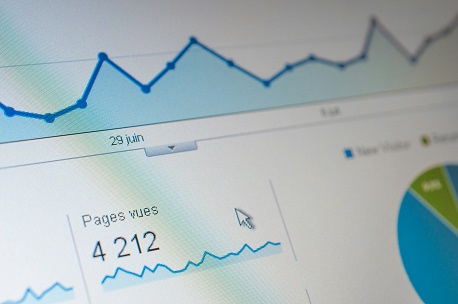
In today’s data-driven environment, business analytics has emerged as a vital tool for organizations aiming to enhance their decision-making processes and drive growth. Business analytics encompasses the systematic analysis of data to derive actionable insights, which can significantly influence strategic planning and operational efficiency. The relevance of business analytics is underscored by the overwhelming amount of data generated by modern businesses. From customer interactions and market trends to operational metrics, organizations have access to vast quantities of information. However, without the ability to analyze this data effectively, such resources may remain underutilized. Business analytics equips companies with methods to transform raw data into meaningful insights, thus facilitating better understanding of patterns, trends, and potential opportunities.
More specifically, businesses utilize various analytical approaches, including descriptive, predictive, and prescriptive analytics, to interpret data. Descriptive analytics helps in understanding historical performance, predictive analytics forecasts future outcomes based on current trends, and prescriptive analytics recommends actions to achieve desired results. This multifaceted approach enables companies to address critical questions regarding their operations and market positioning.
Ultimately, the successful implementation of business analytics fosters a culture of data-informed decision-making. Organizations that embrace this analytical mindset are better positioned to identify growth opportunities, mitigate risks, and enhance overall performance. In an era where data reigns supreme, the ability to leverage business analytics is not simply advantageous—it is essential for sustained growth and competitiveness. By integrating analytics into their strategic frameworks, companies can remain agile and responsive to evolving market dynamics.
Key Components of Business Analytics
Business analytics is a pivotal domain that enables organizations to make informed decisions through the analysis of data. The practice encompasses three principal types of analytics: descriptive, predictive, and prescriptive. Each of these types plays a distinct role in aiding businesses to leverage data effectively.
Descriptive analytics serves as the foundational layer of business analytics. Its primary function is to summarize historical data and provide insights into what has occurred in the past. By utilizing tools such as data visualization and reporting, descriptive analytics gives organizations a clear picture of their performance metrics. Through this process, businesses can identify trends, patterns, and anomalies, which are crucial for informed decision-making.
Building upon the foundation of descriptive analytics, predictive analytics provides foresight by applying statistical methods and machine learning techniques to forecast potential future outcomes. This type of analytics analyzes current and historical data to identify probabilities and trends that can significantly impact business strategies. For instance, organizations can anticipate customer behavior, forecast sales figures, or assess the likelihood of risks, allowing them to be proactive rather than reactive.
Finally, prescriptive analytics takes a step further by offering actionable recommendations based on the insights gained from both descriptive and predictive analytics. It involves the use of advanced algorithms and simulations to determine the best course of action for achieving desired outcomes. By integrating prescriptive analytics, organizations can optimize their operations, enhance resource allocation, and make well-informed strategic decisions in real-time.
In essence, each component of business analytics—descriptive, predictive, and prescriptive—plays a crucial role in facilitating growth and fostering an data-driven culture within organizations. Together, these analytics types empower businesses to not only understand their past and predict their future but also to take decisive action to steer their success.
The Role of Big Data in Business Analytics
Big data plays a crucial role in business analytics by providing vast amounts of information that can uncover trends, enhance decision-making, and drive organizational growth. This enormous dataset often includes structured, semi-structured, and unstructured forms of information, sourced from various platforms such as social media, customer transactions, and sensor data. The ability to analyze this extensive volume of information empowers businesses to gain insights that were previously unattainable, leading to better strategies and operational efficiencies.
When organizations harness big data, they can perform more detailed analytics that lead to clearer customer profiles, predictive modeling, and actionable insights. For instance, big data enables businesses to analyze consumer behavior patterns, allowing firms to tailor their marketing strategies to meet specific audience needs. By segmenting their customer base with precision, companies can enhance their targeting efforts and ultimately boost conversion rates.
However, the management of big data is not without its challenges. As the volume and complexity of data continue to grow, businesses must invest in relevant technologies and tools to ensure they can effectively process and analyze data. This includes advanced data warehousing solutions, real-time analytics platforms, and machine learning algorithms that facilitate swift decision-making. Moreover, maintaining data security and privacy becomes a significant concern, as organizations must protect sensitive information while complying with regulatory standards.
In summary, the relationship between big data and business analytics is integral to fostering growth and innovation. By effectively managing and analyzing large volumes of data, organizations position themselves better to adapt to market changes and consumer demands. While challenges exist, the benefits of utilizing big data in business analytics substantially outweigh these hurdles, driving successful outcomes in the competitive landscape.
Tools and Technologies for Business Analytics
In the modern business landscape, the integration of various tools and technologies is pivotal for effective business analytics. Organizations utilize these tools to streamline their data collection, processing, and visualization, ultimately leading to actionable insights that drive growth.
One of the most prominent categories of business analytics tools includes data visualization software, which plays a crucial role in translating complex data sets into visual formats such as charts, graphs, and dashboards. Tools like Tableau, Microsoft Power BI, and Google Data Studio enable businesses to create interactive visualizations. These tools help stakeholders to recognize trends and patterns, facilitating more informed decision-making.
Data mining software is another essential component in the realm of business analytics. This category offers techniques for discovering patterns within large data sets. Tools such as RapidMiner, KNIME, and SAS provide robust functionality for statistical analysis and predictive modeling. Businesses utilize these tools to extract valuable insights from vast amounts of structured and unstructured data, identifying customer behaviors and market trends.
Additionally, statistical analysis software is fundamental for performing rigorous data analysis. Programs like R, Python’s Pandas library, and SPSS are designed for statistical computing and graphics. They enable analysts to implement various statistical tests and models, ensuring that businesses have a solid foundation for their decisions grounded in robust data analysis.
The integration of these tools within an organization’s analytics strategy not only enhances operational efficiency but also empowers stakeholders to harness the power of data effectively. Consequently, leveraging the right tools and technologies becomes vital for companies aiming to capitalize on data-driven insights.
Implementing Business Analytics in an Organization
Incorporating business analytics into an organization is a multifaceted process that necessitates careful planning and execution. The first step in this journey involves assessing the organization’s current data capabilities. This assessment leads to an understanding of what data is available, how it is collected, and the extent to which it can be analyzed. Organizations should evaluate their existing infrastructure for data management, data quality, and analytical tools. Identifying gaps in these areas is essential as it provides a baseline from which to improve and expand analytical capabilities.
Subsequently, organizations must align their analytics strategy with overarching business goals. This alignment ensures that the insights derived from data analytics resonate with organizational objectives, thereby increasing the likelihood of implementing strategies that drive growth. Business leaders should involve key stakeholders in defining these goals and objectives, ensuring that the analytics efforts support decision-making processes that enhance performance, efficiency, and competitive advantage.
Moreover, fostering a data-driven culture is crucial for the successful implementation of business analytics. Organizations must facilitate an environment where analytics is not just a tool used by a select few but a fundamental part of the organizational ethos. To cultivate this culture, staff at all levels should be educated about the benefits of data-driven decision-making. Training programs and workshops can enhance their analytical skills, making them proficient in leveraging data in everyday tasks. This shift towards a data-centric mindset also involves promoting transparency in data use and sharing insights across departments, which encourages collaboration and empowers employees to make informed decisions.
In conclusion, implementing business analytics in an organization requires a thorough assessment of data capabilities, strategic alignment with business objectives, and a commitment to fostering a data-driven culture. These foundational elements are instrumental in unlocking the full potential of analytics, thereby transforming data into a valuable asset for growth and innovation.
Case Studies of Successful Business Analytics
In the realm of business analytics, numerous companies have successfully harnessed the power of data to drive growth and innovation. One notable example is Amazon, which utilizes sophisticated analytics to optimize its supply chain and enhance customer experiences. By analyzing purchasing patterns and customer behavior, Amazon can forecast product demand accurately. This capability not only minimizes stock-outs but also improves customer satisfaction, translating into increased sales and revenue.
Another compelling case is Netflix, a company that has revolutionized how entertainment is consumed. Through extensive data analysis, Netflix assesses viewer preferences and engagement metrics to inform content creation and acquisition strategies. This data-driven approach has allowed Netflix to create highly successful original programming tailored to its audience’s tastes, significantly boosting subscriber growth. By leveraging analytics, Netflix exemplifies how understanding consumer habits can result in strategically successful outcomes.
Target Corporation presents another relevant instance, where business analytics was employed to enhance its marketing strategies. By analyzing demographics and shopping behaviors, Target created personalized marketing campaigns that resonate with specific segments of the market. The company’s ability to utilize data effectively allowed for higher conversion rates and enhanced customer loyalty. This case illustrates the importance of segmentation and targeted marketing in driving sales growth.
These case studies demonstrate the versatility and effectiveness of business analytics across different industries. By embracing a data-driven approach, companies can identify opportunities for operational improvement and market positioning. The lessons learned from Amazon, Netflix, and Target underscore the significance of analytics in forming strategic decisions that foster exponential growth and sustainability in today’s competitive landscape.
Common Challenges in Business Analytics
Business analytics has emerged as a critical component for organizations aiming to harness the power of data for decision-making and growth. However, several common challenges can hinder the successful implementation of business analytics within an organization.
One prominent issue is data quality. Organizations often struggle with poor data quality, which can stem from various sources, including inconsistent data entry practices, outdated systems, and lack of standardized protocols. Low-quality data can lead to inaccurate insights, which ultimately undermine the reliance on analytics for strategic decisions. To mitigate issues related to data quality, it is essential for organizations to invest in robust data governance frameworks and establish stringent data validation processes.
Another significant challenge is the resistance to change among employees. Implementing business analytics often requires a shift in organizational culture, as it encourages data-driven decision-making over traditional methods. This transformation can provoke anxiety among staff, who may fear that their skills or roles could become obsolete. To overcome this resistance, organizations should focus on fostering a culture of continuous learning and development. Providing training and education on the benefits of analytics can help employees feel more empowered and less threatened by these changes.
Furthermore, the demand for skilled personnel in business analytics poses another hurdle. A shortage of qualified individuals capable of analyzing complex data sets and deriving actionable insights is a widespread concern. Organizations can address this talent gap by investing in internal training programs, collaborating with educational institutions, and promoting a diverse pipeline of candidates skilled in analytics.
Overall, while the journey towards effective business analytics is fraught with challenges, organizations can navigate them through strategic planning, commitment to data quality, workforce development, and fostering an adaptable organizational culture.
Future Trends in Business Analytics
The evolution of business analytics is shaping the future landscape for organizations around the globe. Emerging technologies such as artificial intelligence (AI) and machine learning are at the forefront of this transformation. These advanced analytics tools enable businesses to uncover hidden trends and insights from their data, facilitating more informed decision-making. AI-driven algorithms can analyze vast datasets quicker and more accurately than traditional methods, providing businesses with a competitive edge through timely and precise insights.
Furthermore, the increasing importance of real-time analytics is becoming a pivotal trend in business environments. Companies are realizing the necessity to make decisions based on fresh data, rather than historical analysis alone. This shift towards real-time data processing enables organizations to react promptly to market changes, customer demands, and emerging opportunities, ensuring they remain agile and competitive in a fast-paced economic landscape. Businesses leveraging real-time analytics can optimize their operations, enhance customer experiences, and ultimately drive sustainable growth.
Moreover, as the global focus shifts towards sustainability, business analytics is playing a critical role in promoting environmentally responsible practices. Organizations are increasingly utilizing data analytics to measure their environmental impact, optimize resource utilization, and identify areas for improvement. By integrating sustainability metrics into their analytics frameworks, companies can not only fulfill corporate social responsibilities but also meet regulatory compliances and enhance their brand value in an eco-conscious market.
In this continuously evolving field, the future of business analytics stands not only to redefine operational strategies but also to foster a culture of innovation and sustainability within organizations. The melding of AI, real-time analytics, and sustainability will likely lead to transformative growth opportunities and drive success in the years to come.
Conclusion and Final Thoughts
In today’s fast-paced business environment, the role of business analytics in fostering growth cannot be overstated. Organizations that leverage data analytics gain the ability to make informed decisions that drive profitability and efficiency. The strategic use of business analytics allows companies to identify trends, understand customer behavior, and optimize operations, ultimately leading to sustainable growth.
As highlighted throughout this discussion, data-driven strategies can significantly enhance an organization’s performance. By integrating analytics into decision-making processes, businesses can uncover valuable insights that might otherwise remain hidden. This not only aids in addressing current challenges but also equips organizations to anticipate future market shifts and demands.
Moreover, the evolution of technology has made access to advanced analytics tools more feasible for businesses of all sizes. Small and medium-sized enterprises, in particular, can now harness the power of analytics without the need for substantial financial investments. This democratization of analytics allows for a broader scope of innovation and competitiveness in the market.
As organizations begin to explore the vast potential of business analytics, it is essential to foster a culture of data-driven decision-making within their teams. Encouraging collaboration between departments and ensuring that employees recognize the importance of extracting actionable insights from data will nurture a more agile and responsive business framework.
In conclusion, this exploration of business analytics underscores its critical importance in turning data into growth. Organizations are encouraged to further delve into analytics and consider how they can effectively implement data-driven strategies tailored to their unique goals. By aligning analytics with their business objectives, companies will not only thrive today but also pave the way for a prosperous future.