



Pricing is a fundamental aspect of any business strategy, dictating not only profitability but also market positioning. A pricing strategy is essentially a structured approach used by businesses to set the prices of their products or services. The right pricing strategy can lead to enhanced profitability, market share, and customer loyalty, while poor pricing decisions can jeopardize a business’s viability. Several factors influence how products are priced, with the cost of production being one of the primary elements. Businesses must carefully analyze both fixed and variable costs to ensure that prices cover expenses, while still allowing for a reasonable profit margin. It is essential to understand that costs fluctuate over time due to changes in material prices, labor expenses, and production efficiencies.
Market demand is another pivotal factor affecting pricing strategies. Businesses must assess consumer behavior and the demand for their products in order to establish a price point that maximizes sales without sacrificing profit. High demand may justify higher prices, while lower demand often necessitates discounts to stimulate interest.
Additionally, competition plays a significant role in shaping pricing strategies. Analyzing competitors’ prices can inform businesses about prevailing market rates and help them position their offerings effectively. Companies must find a balance between maintaining competitiveness in pricing and achieving desired profit margins.
Customer perception also heavily influences pricing. The perceived value of a product can vary based on branding and marketing. Effective communication of a product’s value proposition can enable businesses to set a premium price, while a lack of perceived value may necessitate lower pricing strategies. Thus, a comprehensive understanding of these factors is essential to formulate effective pricing strategies that drive both profitability and sustainable business growth.
Understanding Your Costs
Pricing products effectively requires a thorough understanding of the costs associated with their production and sale. It is crucial to distinguish between fixed and variable costs as these components directly affect pricing strategies.
Fixed costs are expenses that do not change with the level of goods or services produced. These may include rent, salaries of permanent staff, and equipment depreciation. On the other hand, variable costs fluctuate based on production volume. This category encompasses raw materials, hourly labor costs, and shipping expenses. A comprehensive grasp of both types of costs is essential when calculating the total cost of a product.
To calculate this total cost, businesses should first compile a detailed list of all relevant costs incurred in the production process. Begin with fixed costs and then add the variable costs incurred for each unit produced. For instance, if your fixed costs total $10,000 per year, and the variable cost to produce each unit is $5 with a production volume of 1,000 units, the total cost of producing those units would be calculated as follows: the fixed costs divided by production volume ($10,000/1,000) adds to the variable cost per unit ($5), resulting in a total cost of $15 per unit.
Utilizing various analytical tools can further enhance the accuracy of cost evaluations. Spreadsheets, for example, can help in tracking and manipulating cost data effectively. Additionally, employing accounting software may provide insights into both fixed and variable costs and can facilitate regular updates as costs change over time. Understanding these costs not only assists in setting appropriate pricing but also aids in identifying areas where efficiencies can be maximized to enhance profitability.
Market Research: Know Your Competition
Conducting thorough market research is a cornerstone for any business aiming to price its products effectively. Understanding the competitive landscape is essential to craft a strategy that aligns with market expectations while maximizing profit. This involves analyzing competitors’ pricing strategies, market positioning, and the overall demand for similar products within your industry.
The first step is identifying who your main competitors are. This can vary from large firms with established reputations to smaller niche players. By creating a comprehensive list of competitors, you can begin to evaluate their pricing structures. It is crucial to examine not only the prices they set for their products but also the perceived value associated with those prices. Are competitors offering discounts, bundling products, or providing added services? Each of these tactics can influence consumer purchasing decisions.
Furthermore, observing market trends is essential. Consumer behavior can fluctuate due to various factors such as economic conditions or seasonal preferences. Engaging in surveys or collecting feedback can provide valuable insights into what consumers value most in your products, allowing you to adjust pricing strategies accordingly. Additionally, keeping an eye on emerging trends can help in anticipating changes in consumer preferences, which, in turn, affects pricing. The ability to adapt your pricing strategy to match consumer trends without compromising profit margins is where businesses often gain a competitive edge.
In summary, understanding your competition through thorough market research is vital for setting optimal prices. By reviewing their strategies and keeping abreast of industry trends, you can create a well-informed pricing model that enhances your product’s competitive position. Your pricing decisions should not only reflect market conditions but also resonate with what your target consumers find valuable, leading to increased profitability.
Setting Your Pricing Objectives
Establishing clear pricing objectives is a fundamental step in the pricing strategy of any business. Pricing objectives can vary significantly based on the scenario, whether the emphasis is on penetrating the market, skimming profits, or maintaining price stability. Each of these scenarios drives different pricing strategies, thereby influencing the overall profitability of the product.
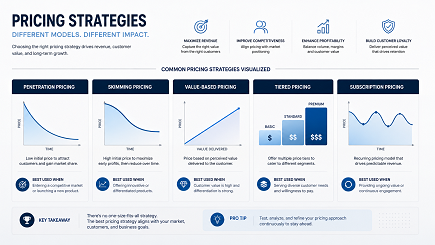
One common objective might be market penetration. Here, businesses aim to capture a significant market share by setting a lower price point initially, which can attract customers away from competitors. This strategy often leads to increased sales volume, ultimately allowing the business to achieve economies of scale. However, while this approach can enhance visibility in the marketplace, it is crucial to ensure that long-term profitability does not get compromised.
Alternatively, some companies may opt for price skimming. This strategy involves setting a high price for new products to maximize profits from customers willing to pay a premium before gradually lowering the price over time. This approach can be beneficial for recovering initial research and development costs while targeting segments of buyers who are less sensitive to price changes.
Another noteworthy consideration is price stability. Here, businesses maintain consistent pricing to foster customer trust and loyalty, particularly in saturated markets. This stability minimizes pricing wars and encourages long-term relationships with consumers. It aligns the pricing objectives with overarching business goals, allowing firms to focus on enhancing product quality and customer service instead.
Ultimately, the alignment of pricing objectives with broader business goals is essential. A company should periodically review its market conditions, competitor strategies, and customer preferences to adapt its pricing strategy accordingly. This ensures that pricing objectives are not only reflective of market realities but also conducive to the enterprise’s financial health and growth aspirations.
Choosing a Pricing Model
When determining how to price products effectively, businesses must consider various pricing models that can be tailored to meet their specific needs and target markets. Among the most commonly adopted pricing strategies are cost-plus pricing, value-based pricing, dynamic pricing, and tiered pricing. Each model holds distinct advantages and disadvantages, enabling businesses to make informed decisions.
Cost-plus pricing is one of the simplest methods, involving the addition of a fixed percentage or dollar amount to the cost of producing a product. This approach ensures that all costs are covered while generating a consistent profit margin. However, it does not account for consumer demand or competitor pricing, which can lead to missed opportunities or excessive pricing in competitive markets.
Value-based pricing, on the other hand, focuses on the perceived value of the product to the customer rather than the cost to produce it. This model is particularly beneficial for innovative or branded products that provide significant benefits. While it can maximize profits by aligning the price with customer perception, it requires a deep understanding of the market and consumer behavior, which can complicate implementation.
Dynamic pricing allows businesses to adjust prices in real-time based on market demand, competitor actions, and other factors. This strategy is widely used in industries such as travel and retail, where prices fluctuate based on supply and demand. While dynamic pricing can lead to increased revenues, it may risk alienating customers who perceive pricing as unfair or inconsistent.
Lastly, tiered pricing offers customers options at different price points, appealing to a broader audience. By providing variations in product features or service levels, businesses can effectively target diverse customer segments. However, it can also lead to complexity in management and potential customer confusion if not communicated clearly.
Each of these pricing models presents unique challenges and benefits. Therefore, businesses must carefully analyze their market, customer preferences, and competition to select the most suitable pricing strategy for their products.
Psychological Pricing: The Art of Perception
Pricing is not solely a numbers game; it is an intricate blend of psychology and strategy. Understanding consumer perception is pivotal when setting product prices. Psychological pricing techniques are designed to influence buying decisions by appealing to the emotions and subconscious of consumers.
One prominent strategy is charm pricing, which utilizes prices that end in .99 or .95. This technique relies on the belief that consumers perceive these prices as significantly lower than they actually are. For instance, pricing a product at $19.99 instead of $20.00 can create a perception of better value and encourage purchases. Such subtleties in pricing may seem minimal, but studies have shown that they can significantly impact sales volume.
Another essential psychological pricing tactic is price anchoring. This approach involves presenting a higher reference price alongside the actual selling price to create a perception of a bargain. For example, if a customer sees a product originally priced at $100 now selling for $70, the initial price serves as an anchor that enhances the appeal of the discounted price. By manipulating how consumers perceive value, businesses can increase the likelihood of conversion.
Additionally, the use of discounts can also shape consumer behavior. Limited-time offers or seasonal sales can invoke a sense of urgency, prompting buyers to act quickly for fear of missing out. Leveraging scarcity in this way not only drives sales but also reinforces the perceived value of the product.
In conclusion, harnessing psychological pricing strategies can be an effective method for enhancing product appeal and encouraging purchasing behavior. By understanding how consumers perceive prices and value, businesses can craft pricing strategies that maximize profits while simultaneously fostering customer satisfaction.
Testing and Adjusting Your Prices
Determining the right price for your products is essential for maximizing profit. This pricing strategy can often require careful testing and adjustments based on various market dynamics. A/B testing is a highly effective method for businesses to evaluate pricing strategies. By presenting two different price points to similar segments of your customer base, you can gather data on consumer responses. This helps you identify which price yields better sales performance.
Once the data is collected, it is necessary to interpret the results accurately. Look for trends in customer behavior related to the different price points. For example, a higher price might attract a demographic that values quality, while a lower price could appeal to budget-conscious consumers. Leveraging these insights allows businesses to make informed adjustments to their pricing strategies to align with consumer preferences and overall market conditions.
Furthermore, pricing is not a one-time decision but rather requires periodic reassessment. Market shifts can occur due to economic changes, competitive actions, or evolving consumer preferences, all of which may necessitate adjustments to your product prices. For instance, if a competitor significantly changes their pricing or if you observe a change in demand for your product, it might be wise to re-evaluate your pricing structure. The importance of flexibility in pricing strategies cannot be overstated, as maintaining relevance in the market is crucial for sustaining profit margins.
Ultimately, developing a systematic approach to testing and adjusting your prices ensures that your business remains responsive to internal and external changes. Continuous evaluation fosters a dynamic pricing strategy that can adapt and thrive amidst the uncertainties of the marketplace.
Communication of Pricing to Customers
Effectively communicating pricing to customers is essential for fostering trust and ensuring transparency in the relationship between the business and its clientele. Customers want to understand not only how much they are paying, but also why the price is set at that level. Hence, a crucial first step is to justify the value of the product or service being offered. By clearly articulating the unique benefits and features that differentiate a product from competitors, businesses can create a rationale for their pricing strategy.
When discussing prices, it is beneficial to adopt a value-oriented approach. This method focuses on highlighting how the product solves specific customer problems or improves their lives. Whether it is through superior quality, unique features, or unmatched service, the emphasis should be on the overall experience and potential return on investment for the customer. Furthermore, businesses should ensure that any claims made regarding pricing and value are backed by evidence, such as testimonials or case studies, to reinforce credibility.
Handling objections related to pricing is another important aspect of communication. Customers may express concern over the cost and may seek reassurance before making a purchase. Businesses can tackle this by practicing empathetic listening, which involves acknowledging the customer’s worries while skillfully guiding them back to the value proposition. Providing clear pricing structures, alongside any available discounts or financing options, can alleviate concerns and make the purchase decision easier.
In addition to addressing objections, companies should actively encourage questions about pricing. This openness not only demonstrates confidence in their pricing strategy but also provides an opportunity to further educate customers about the product. By anticipating and responding to inquiries in a thorough and transparent manner, businesses can enhance customer understanding and satisfaction, ultimately fostering long-term relationships that contribute to profitability.
Conclusion: Continual Review and Adaptation
In the fast-paced world of commerce, the method of pricing products is not a static affair. Businesses must engage in continual review and adaptation of their pricing strategies to ensure maximum profit. Market conditions can evolve rapidly, influenced by factors such as consumer demand, competitor actions, and economic fluctuations. Therefore, it is essential for businesses to remain vigilant and responsive to these changes.
Feedback from customers can offer invaluable insights into how products are perceived in terms of value, quality, and price. Actively seeking and analyzing this feedback allows businesses to make informed decisions regarding their pricing strategies. For example, if customers consistently indicate that a product is priced too high or too low, adjustments should be considered. This practice not only aids in achieving a competitive edge but also fosters customer loyalty by demonstrating that their opinions are valued.
Moreover, staying agile in pricing practices is crucial. Utilizing analytical tools can help track trends and patterns in sales data, which, in turn, can guide pricing decisions. Seasonal demands may necessitate temporary price adjustments, while long-term shifts may require a more comprehensive reevaluation of pricing structures. By adopting a flexible approach to pricing, businesses can better respond to market demands and capitalize on potential sales opportunities.
In conclusion, the process of pricing products for maximum profit is inherently dynamic. It requires businesses to engage in ongoing assessment and recalibration of their strategies in response to a myriad of internal and external factors. Emphasizing adaptability and customer engagement is key to achieving sustainable success in today’s competitive marketplace.