



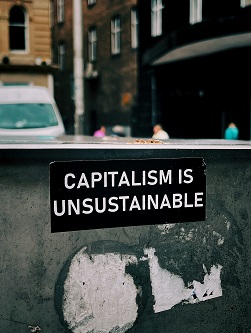
Business sustainability refers to the practice of conducting operations in a manner that contributes to environmental preservation, social equity, and economic viability. This multifaceted approach integrates ecological, social, and economic components, often referred to as the triple bottom line: planet, people, and profit. The concept emphasizes that a successful business must not only focus on financial profitability but also consider its impact on the environment and society as a whole. At its core, sustainability in a business context involves the pursuit of value creation in a way that minimizes negative consequences across various domains. This means that organizations must devise operations and strategies that reduce waste, conserve resources, and promote ethical practices. By doing so, businesses can enhance their resilience in the face of challenges, such as climate change, resource scarcity, and shifting consumer expectations.
The integration of sustainability into business practices encompasses several essential principles, including corporate responsibility, innovation, and collaboration. Corporate responsibility signifies that a business acknowledges its obligation towards its stakeholders, including employees, customers, and the community. In contrast, innovation focuses on developing new, sustainable solutions that can drive both growth and positive environmental impact. Collaboration further emphasizes the importance of working with partners, stakeholders, and governments to create a collective approach towards sustainability challenges.
By understanding these foundational principles of business sustainability, organizations can identify opportunities to integrate sustainable practices into their operations. This not only creates a competitive advantage but also aligns the business with broader societal goals, ultimately making sustainability an essential aspect of modern business strategy.
The Current State of the Environment and Society
The planet is currently grappling with multiple pressing environmental challenges that demand immediate attention. Climate change stands at the forefront of these issues, driven by significant increases in greenhouse gas emissions from various sectors, including transportation, energy production, and industrial processes. The alarming rise in global temperatures is causing extreme weather events, such as hurricanes, droughts, and heatwaves, which not only threaten ecosystems but also jeopardize human lives and livelihoods.
Resource depletion is another critical concern. Natural resources, including water, minerals, and forests, are being extracted at an unsustainable rate, resulting in widespread habitat destruction and biodiversity loss. According to recent studies, the consumption rates in many developed nations far exceed the Earth’s capacity to regenerate these resources, posing a long-term threat to global sustainability.
Alongside environmental degradation, social issues such as inequality and poverty persist. The gap between the wealthy and the impoverished continues to widen, with marginalized communities often bearing the brunt of environmental disasters and resource scarcity. These disparities create a cycle of disadvantage that affects access to sustainable practices and green technologies, hindering progress toward a more equitable society.
In light of these challenges, the urgency for businesses to adopt sustainable practices has never been clearer. Companies have a crucial role to play not only in mitigating adverse environmental impacts but also in fostering social equity. By prioritizing sustainability, businesses can drive innovation, reduce waste, and improve their brand reputation while contributing positively to their communities. Embracing a sustainability-focused approach is no longer just a choice; it is an imperative for survival in a rapidly changing world.
Benefits of Sustainable Business Practices
Adopting sustainable business practices has become increasingly important for companies operating in today’s competitive marketplace. One of the most immediate benefits of integrating sustainability into business operations is the realization of significant cost savings. By implementing energy-efficient technologies and optimizing resource use, organizations can reduce their utility expenses and minimize waste management costs. These savings can be redirected towards innovation and growth initiatives, thereby promoting overall business development.
In addition to cost savings, sustainability plays a pivotal role in enhancing brand reputation. Consumers today are more informed and conscious of corporate social responsibility. Businesses engaging in eco-friendly practices often enjoy a boost in public perception, which can distinguish them from competitors. For instance, companies like Patagonia are renowned for their commitment to environmental sustainability, and this reputation has fostered a loyal customer base that appreciates their dedication to positive social impact.
Furthermore, sustainable practices can lead to increased customer loyalty. Today’s consumers prefer brands that demonstrate ethical practices and sustainability. By aligning with consumers’ values, companies can cultivate a deeper connection with their audience, ultimately leading to repeat business. A valuable example is Unilever, which has integrated sustainability into its core strategy, resulting in a positive response from consumers and enhanced brand loyalty.
Lastly, embracing sustainable business practices can result in long-term profitability. While the initial investment in sustainable technologies or processes may seem substantial, over time, the benefits outweigh these costs. By proactively addressing environmental issues and adopting innovative solutions, businesses position themselves to thrive in a market increasingly driven by sustainability.
The Role of Stakeholders in Promoting Sustainability
Stakeholders play a pivotal role in influencing and promoting business sustainability across various sectors. They encompass a diverse range of groups, including customers, employees, investors, suppliers, and local communities. Each group has unique perspectives and motivations that can collectively enhance sustainable practices within organizations.
Customers are increasingly prioritizing sustainability in their purchasing decisions. Their preferences encourage businesses to adopt environmentally friendly practices, such as sourcing materials responsibly, reducing waste, and minimizing carbon footprints. When companies respond to customer demands for sustainability, they not only improve their market competitiveness but also foster a culture of sustainability.
Employees also serve as vital advocates for sustainability. A workforce that is engaged and informed about sustainable practices will be more likely to contribute innovative ideas and participate actively in corporate sustainability initiatives. Organizations that promote a culture of environmental stewardship often experience enhanced employee morale and productivity, which further strengthens their sustainable impact.
Investors have begun to recognize the financial importance of sustainability, leading to the emergence of a growing investment trend in Environmental, Social, and Governance (ESG) criteria. Investors are increasingly inclined to fund companies that demonstrate a robust commitment to sustainability. Thus, businesses that engage with their investors on sustainability initiatives foster stronger relationships that can lead to financial support and long-term success.
Lastly, engaging with local communities is crucial for implementing effective sustainable practices. Businesses that collaborate with communities build trust and work towards shared goals that benefit both the organization and local residents. This partnership can lead to innovative solutions addressing local environmental issues while ensuring the company’s sustainability efforts are aligned with community needs.
Challenges to Implementing Sustainable Practices
The journey towards business sustainability is often fraught with numerous challenges that hinder the effective adoption of sustainable practices. One of the primary obstacles is economic constraints. Many businesses, particularly small and medium-sized enterprises (SMEs), face financial limitations that can make the initial investment in sustainable technologies or practices seem daunting. These companies may prioritize immediate expenses over long-term benefits, making it difficult to allocate resources toward sustainability initiatives.
Another significant challenge is the lack of knowledge about sustainable practices within the organization. Employees and management may not be fully aware of the benefits of sustainability or how to implement it effectively. This gap in knowledge can lead to hesitation in adopting sustainable methods and an inability to align sustainability goals with the company’s core objectives. Without proper training and education, businesses risk becoming stagnant in their sustainability efforts.
Resistance to change is yet another barrier that businesses must navigate. Transitioning to more sustainable operations often requires a cultural shift within the organization. Employees may be accustomed to traditional methods and may view new practices as burdensome or ineffective. This resistance can stifle innovation, ultimately preventing the business from unlocking the potential benefits of sustainability.
Moreover, the dilemma of balancing short-term profits with long-term sustainability goals poses a significant challenge. Many organizations operate under pressure to deliver immediate financial results, which can deter them from investing in sustainable practices that might not yield quick returns. However, strategic planning and innovation can help businesses reconcile these competing priorities, facilitating the successful integration of sustainable practices into their operations.
Regulatory Landscape and Industry Standards
As the global focus on sustainability intensifies, the regulatory environment surrounding business practices is evolving at an unprecedented pace. Governments and international organizations are increasingly implementing laws and regulations aimed at promoting sustainable practices among businesses. These regulations vary across regions, yet they share a common goal: to encourage a shift towards environmental responsibility and social equity in the business sector.
In many countries, environmental regulations require businesses to comply with standards that limit pollution, manage waste, and reduce carbon emissions. The European Union (EU) has established comprehensive legislation, such as the European Green Deal, which outlines targets for achieving climate neutrality by 2050. Similarly, the United States is witnessing a resurgence of interest in environmental protection laws aimed at mitigating climate change and promoting clean energy solutions.
Industry standards also play a pivotal role in shaping sustainable business behavior. Organizations such as the Global Reporting Initiative (GRI) and the International Organization for Standardization (ISO) develop frameworks that businesses can adopt to measure and report their sustainability efforts. These standards provide credibility to corporate sustainability claims, ensuring transparency and accountability in reporting. Compliance with such standards not only aids businesses in assessing their environmental impact but also aligns them with global best practices.
Moreover, various industries are initiating their own sustainability frameworks, often driven by consumer demand and investor expectations for transparency and ethical conduct. For example, the fashion and technology sectors are increasingly adopting sustainability indices to benchmark their performance against environmental and social criteria.
The ongoing shift in regulations and the establishment of industry standards indicates a clear trajectory towards an era where sustainability will be a critical factor in business operations. Companies that proactively adapt to this regulatory landscape are not only fostering sustainable practices but also positioning themselves competitively as leaders in an evolving market.
Innovative Solutions and Technologies for Sustainability
As the global economy increasingly emphasizes the importance of sustainability, businesses are turning to innovative solutions and advanced technologies to facilitate this transition. One significant area of development is renewable energy, which encompasses sources such as solar, wind, and hydroelectric power. These energy sources provide substantial alternatives to fossil fuels, allowing companies to reduce their carbon footprints significantly. Innovations, such as improved solar panel efficiencies and energy storage technologies, are making it more feasible for companies to adopt renewable energy solutions, leading to enhanced energy management and reduced operating costs.
Waste reduction technologies have also emerged as a critical component of sustainable business practices. The adoption of circular economy models encourages organizations to rethink their production and consumption processes. Technologies such as smart waste management systems utilize IoT (Internet of Things) sensors to optimize collection routes and recycling processes, thus minimizing waste and maximizing resource efficiency. Furthermore, advancements in materials science, including biodegradable and compostable materials, are paving the way for companies to create products that have lesser impacts on the environment.
Sustainable supply chain management is another vital area where innovation is playing a transformative role. Businesses are increasingly leveraging technologies like blockchain for transparency and traceability, ensuring ethical sourcing and minimizing environmental impact. Additionally, machine learning algorithms help organizations analyze and optimize their logistics operations, leading to reduced energy consumption and efficient resource allocation. By incorporating these innovative solutions into their operations, businesses not only enhance their sustainability efforts but also realize economic benefits, creating a compelling case for the integration of technology in the journey toward sustainability.
Case Studies of Successful Sustainable Businesses
In recent years, numerous businesses have championed sustainability, reaping both environmental and economic benefits in their operations. This section presents case studies of organizations that have integrated sustainable practices effectively, showcasing their strategies, outcomes, and lessons learned.
A prime example of a successful sustainable business is Patagonia, the outdoor clothing retailer. Patagonia’s commitment to sustainability is deeply embedded in its culture, as the company emphasizes environmentally-friendly materials and ethical manufacturing practices. Their famous “Worn Wear” program encourages customers to repair gear instead of discarding it, significantly reducing waste. By aligning its brand identity with sustainability, Patagonia has fostered loyal customer relationships while effectively highlighting the importance of responsible consumption.
Another illustrative case is Unilever, a global consumer goods company that has embraced sustainability through its Sustainable Living Plan. This initiative aims to halve the environmental footprint of its products while increasing positive social impact. By focusing on sustainable sourcing of raw materials, such as palm oil and tea, Unilever has not only enhanced its supply chain resilience but has also attracted consumers who prioritize sustainability in their purchasing decisions. The company reported substantial savings and a boosted reputation, reinforcing the message that sustainability can coexist with profitability.
Furthermore, Interface Inc., a carpet tile manufacturer, has made significant strides in sustainability through its Mission Zero initiative. This program aspires to eliminate any negative impact on the environment by 2020. Interface has integrated recycled materials into its products and adopted renewable energy sources in its operations. Their approach has not only minimized their ecological footprint but has also resulted in cost savings and increased customer satisfaction.
These case studies exemplify that businesses can thrive through sustainable practices. By adopting strategies focused on sustainability, organizations can enhance their operational efficiency, strengthen brand loyalty, and contribute positively to the environment. The lessons learned from these successful enterprises demonstrate that sustainability is not merely an option for modern businesses; rather, it is vital for enduring success in today’s market.
Conclusion: The Future of Business Sustainability
As we reflect on the importance of business sustainability in today’s economic landscape, it becomes clear that integrating sustainable practices is not merely an option but a necessity. Businesses that prioritize sustainability are better equipped to navigate the complexities of the modern market, demonstrating resilience in the face of environmental challenges and shifting consumer expectations. The adoption of sustainable practices leads to enhanced operational efficiency, reduced costs, and a strengthened brand reputation, all of which contribute to long-term success.
Throughout this discussion, we have explored the various dimensions of business sustainability, including the economic, social, and environmental aspects. Companies are increasingly recognizing that their operations impact not just their immediate stakeholders but also the broader community and planet. By implementing sustainable strategies, businesses can significantly contribute to global well-being, fostering a culture of responsibility and innovation.
Looking to the future, it is imperative for businesses to commit to these sustainable practices and integrate them into their core strategies. The urgency for action has never been greater, as consumers and investors are increasingly favoring companies that demonstrate a genuine commitment to sustainability. As businesses strive to adapt to evolving market dynamics, those that prioritize environmental stewardship and social responsibility will ultimately emerge as leaders in their industries.
The call to action is clear: businesses must engage in sustainability not only for their benefit but for the benefit of future generations. By embracing sustainable practices now, companies can pave the way for a more sustainable and equitable global economy. In conclusion, the future of business sustainability hinges on the collective commitment of organizations to put sustainability at the heart of their operations, ensuring a balanced approach to profitability and responsibility.