



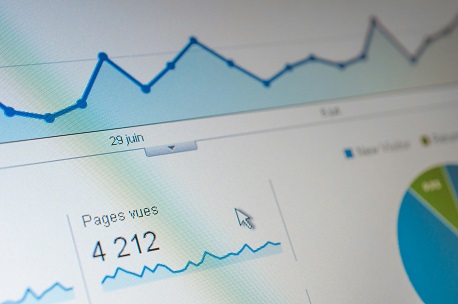
In the contemporary business landscape, data analytics has emerged as a fundamental component of informed decision-making. Data analytics refers to the systematic computational analysis of data, enabling businesses to uncover actionable insights from vast datasets. These insights allow organizations to identify trends, monitor performance, and optimize various aspects of their operations. The process of data analytics combines statistical techniques and computational tools, transforming raw data into meaningful information. It encompasses a range of methods, including descriptive analytics, which provides insights into historical data, and predictive analytics, which forecasts future trends based on past patterns. Moreover, prescriptive analytics offers recommendations for optimal decision-making based on the insights garnered.
By leveraging data analytics, businesses can enhance their strategic initiatives and improve operational efficiency. The significance of data analytics cannot be overstated, as it empowers organizations to respond promptly to market changes, tailor products and services to customer preferences, and ultimately gain a competitive edge. For instance, companies utilizing data analytics in their marketing strategies can better target their audience and allocate resources more effectively, resulting in higher returns on investment.
Furthermore, data analytics supports risk management by allowing businesses to assess potential threats and opportunities within their environment. This analytical capability promotes a proactive approach to business challenges, facilitating informed choices that enhance long-term sustainability. Therefore, integrating data analytics into business operations is not merely an advantage but a necessity in today’s data-driven economy.
Understanding Types of Data Analytics
Data analytics plays a crucial role in the modern business environment, allowing organizations to harness the power of data for informed decision-making. Four primary types of data analytics are instrumental in enhancing the decision-making processes: descriptive, diagnostic, predictive, and prescriptive analytics.
Descriptive analytics focuses on summarizing historical data to identify trends and patterns. By employing data aggregation and mining techniques, businesses can gain insights into past performances. For instance, a company might analyze sales data from previous quarters to determine seasonal trends. This type of analytics provides a foundational understanding of what has happened, which is essential for further analysis.
Diagnostic analytics goes a step further by examining why certain events occurred. It involves the use of diagnostic tools to explore relationships between variables and identify causes behind specific outcomes. For example, a decline in customer satisfaction may be investigated through feedback analysis. Understanding the reasons behind such trends allows businesses to take corrective actions proactively, enhancing overall performance.
Predictive analytics harnesses statistical models and machine learning techniques to forecast future events based on historical data. Businesses can utilize predictive models to anticipate customer behavior, sales trends, and market conditions. As companies increasingly leverage big data, predictive analytics has become vital for strategic planning and risk management.
Lastly, prescriptive analytics suggests actionable recommendations based on data analysis. By using advanced algorithms and simulations, organizations can evaluate potential outcomes and make informed decisions on resource allocation and operational strategies. This proactive approach ensures that businesses not only anticipate challenges but also optimize their operations accordingly.
In conclusion, the different types of data analytics provide businesses with a comprehensive toolkit for effective decision-making. Each category plays a specific role, and together, they enhance an organization’s ability to navigate the complexities of the contemporary market.
How Data Analytics Influences Strategic Planning
In today’s competitive marketplace, strategic planning is paramount for business success. Data analytics plays a crucial role in shaping these strategies by enabling decision-makers to transform raw data into actionable insights. By analyzing trends, consumer behavior, and market dynamics, organizations can craft informed strategies that align with their long-term objectives.
One significant way that data analytics influences strategic planning is through the identification of market trends. Businesses can leverage analytical tools to scrutinize vast amounts of data collected from various sources, such as customer feedback, sales records, and social media interactions. For instance, a retail chain might analyze purchasing patterns to determine which products are gaining popularity. By recognizing these trends early on, the company can adjust inventory levels, optimize marketing campaigns, and even expand product lines that cater to consumer interests.
Moreover, data analytics aids in risk assessment and management. Companies can utilize predictive analytics to forecast potential market shifts and economic fluctuations, allowing them to develop contingency plans proactively. For example, during the COVID-19 pandemic, many organizations employed data analytics to assess consumer sentiment and adapt their strategies accordingly, whether that meant pivoting to e-commerce models or adjusting supply chains.
Real-world examples further illustrate the impact of data-driven insights on strategic planning. Companies like Amazon and Netflix have thrived by continuously analyzing user data to refine their offerings and personalize customer experiences. Amazon’s recommendation engine, powered by sophisticated data analytics, not only enhances user engagement but also significantly boosts sales, demonstrating how critical such analytics are in developing effective business strategies.
In conclusion, data analytics is indispensable in influencing strategic planning. By harnessing the power of data, businesses can make more informed decisions, adapt to market conditions swiftly, and ultimately achieve their long-term goals.
Enhancing Operational Efficiency through Analytics
In today’s competitive landscape, businesses are increasingly turning to data analytics to refine their operational processes and drive efficiencies. The utilization of data analytics allows organizations to identify inefficiencies and address challenges that hinder productivity. Through analysis of previous and current performance data, companies can streamline operations, ensuring that resources are utilized effectively.
One of the key methods of data analytics is descriptive analytics. This involves summarizing historical data to understand past performance. By examining trends over time, businesses can uncover patterns that reveal areas requiring improvement. For instance, if sales data indicates a consistent drop in a certain period, organizations may investigate the operations linked to that timeframe to identify potential inefficiencies.
Moreover, predictive analytics plays a significant role in enhancing operational efficiency. By utilizing statistical algorithms and machine learning techniques to forecast future outcomes, companies can prepare for potential issues before they arise. For example, predicting equipment failures allows businesses to perform preventative maintenance, reducing downtime and optimizing resource allocation.
Prescriptive analytics, another vital aspect, aids managers in deciding the best course of action to achieve desired outcomes. This analytical approach provides recommendations based on various scenarios and their potential impacts. As a result, businesses can make informed decisions that enhance their operational processes. Ultimately, by leveraging these analytics methods, organizations cannot only identify inefficiencies and improve resource allocation but also boost overall productivity in their daily operations.
Customer Behavior Analysis via Data Analytics
In the realm of modern business decision-making, understanding customer behavior is pivotal. Data analytics serves as a foundational tool that enables companies to gain valuable insights into customer preferences, buying patterns, and overall engagement. Through the use of various analytical techniques, businesses can segment their customers based on demographics, purchasing habits, and lifestyle choices.
Customer segmentation involves categorizing the customer base into distinct groups that exhibit similar behavior or preferences. This granular approach allows companies to tailor their marketing efforts and offers to specific segments, thereby enhancing the effectiveness of promotional strategies. By analyzing customer data, businesses can identify high-value customers, potential churn risks, and opportunities for cross-selling or upselling. Such insights lead to the formulation of targeted marketing campaigns that resonate more profoundly with each customer group.
Moreover, personalization strategies are increasingly becoming essential in fostering customer loyalty. By leveraging data analytics, businesses can deliver personalized experiences that align with individual customer preferences. For instance, personalized recommendations based on past purchasing behavior or browsing history are now commonplace in e-commerce platforms. This personalization not only enhances the customer experience but also boosts sales and repeat business.
Furthermore, data analytics enables businesses to measure customer satisfaction levels effectively. By analyzing feedback and behavior post-purchase, organizations can identify areas for improvement in their products or services. This feedback loop is critical as it empowers businesses to make data-driven decisions that enhance customer satisfaction and retention rates.
In conclusion, the integration of data analytics into customer behavior analysis is vital for modern businesses. By employing these analytics techniques, companies can achieve a deeper understanding of their customers, leading to improved customer satisfaction and long-term loyalty.
Risks and Challenges of Implementing Data Analytics
As businesses increasingly depend on data analytics for informed decision-making, they also face several risks and challenges that can impede successful implementation. One prominent concern is data privacy. With stringent regulations such as the General Data Protection Regulation (GDPR) in place, organizations must navigate the complexities of collecting, storing, and analyzing personal data. Failing to comply with these regulations can lead to significant financial penalties and reputational damage.
Another challenge lies in the necessity for skilled analysts. Data analytics is a sophisticated field requiring expertise in statistics, data interpretation, and domain knowledge. Companies may struggle to find qualified personnel who can effectively analyze and translate data into actionable insights. The shortage of skilled professionals can result in a heavy reliance on external consultants, often leading to increased costs and potential misalignment with company goals.
Additionally, there exists the potential for misinterpretation of data. Even the most comprehensive datasets can yield misleading conclusions if not analyzed appropriately. Analysts may draw incorrect inferences due to biases or oversight, which in turn can lead to poor business decisions. Organizations must foster a culture of continuous training and employ robust analytical frameworks to mitigate this risk, ensuring that data-driven strategies align well with their overall objectives.
Moreover, integrating data analytics into existing workflows can be challenging. Companies often face resistance from employees who are accustomed to traditional decision-making approaches. It is crucial for organizations to communicate the benefits of data analytics clearly and provide support to smooth the transition, allowing teams to embrace a more data-driven mindset.
Tools and Technologies for Data Analytics
In the rapidly evolving landscape of data analytics, various tools and technologies have emerged to equip businesses with the capabilities necessary for effective data analysis. These tools enable organizations to extract meaningful insights from vast amounts of data, facilitating informed decision-making.
A prominent category of data analytics tools includes software solutions such as Tableau, Power BI, and Qlik. These platforms specialize in data visualization, allowing users to create intuitive dashboards and reports that make complex data easier to interpret. By converting raw data into interactive graphics, businesses can spot trends and anomalies at a glance, ultimately enabling swift responses to market changes.
Programming languages also play a crucial role in data analytics. Python and R are particularly popular among data scientists due to their extensive libraries and frameworks tailored for statistical analysis and data manipulation. Python’s libraries, such as Pandas and NumPy, facilitate scalable data processing, while R provides comprehensive tools for analyzing and visualizing data, making it suitable for advanced analytics tasks.
Additionally, big data technologies like Apache Hadoop and Apache Spark have enhanced the ability to store and process large datasets efficiently. These frameworks allow businesses to perform analytics on massive volumes of unstructured data, leading to deeper insights that were previously unattainable with traditional data processing methods.
Furthermore, cloud-based platforms like Google Cloud Platform and Microsoft Azure are transforming data analytics by providing scalable infrastructure and tools that can be accessed from anywhere. These platforms offer services for data storage, processing, and analysis, enabling organizations to harness the power of data analytics without significant upfront investments in hardware.
Overall, the combination of software solutions, programming languages, and big data technologies equips businesses to navigate the complexities of data analytics, ensuring they remain competitive in today’s data-driven market.
Case Studies: Successful Data-Driven Decision Making
In the modern business landscape, many organizations have harnessed the power of data analytics to inform their decision-making process. One notable example is Netflix, which routinely utilizes viewer data to tailor its content offerings. By analyzing viewing habits, preferences, and trends, Netflix is able to predict which genres or types of content will resonate with its audience. This data-driven strategy has not only improved viewer engagement but also enhanced subscriber growth, helping Netflix maintain its position as a leading streaming service.
Similarly, Target, a retail giant, exemplified the effective use of data analytics to optimize its marketing efforts. By implementing predictive analytics, Target was able to target advertising campaigns specifically to consumers based on their purchasing patterns. A famous case involved Target predicting a customer’s pregnancy based on their shopping behavior, prompting the company to send relevant coupons. This strategic application of data analytics resulted in an increase in revenue and improved customer loyalty, showcasing how understanding consumer data can lead to substantial business advantages.
Another compelling case is that of Procter & Gamble (P&G), which utilized data analytics to enhance its supply chain efficiency. By analyzing sales data, inventory levels, and customer feedback, P&G was able to streamline operations across their product lines. This action not only reduced waste in the production process but also helped the company respond swiftly to market changes and consumer demands. The lessons learned from P&G’s experience demonstrate the importance of leveraging data analytics for operational optimization, ultimately driving profitability and customer satisfaction.
These case studies elucidate how data analytics can shape effective decision-making across various industries. When businesses embrace data insights, they can make informed choices that lead to successful outcomes, thus reinforcing the vital role of analytics in today’s competitive environment.
Future Trends in Data Analytics for Business
As businesses continue to navigate an increasingly data-driven landscape, the role of data analytics in decision-making is evolving rapidly. Emerging trends indicate that advancements in artificial intelligence (AI) and machine learning (ML) will profoundly influence how organizations harness data to drive strategies and operations. These technologies are not only optimizing existing processes but are also paving the way for innovative solutions that enhance analytical capabilities.
One notable trend is the shift towards real-time data analytics, allowing businesses to gain insights from data as it is generated rather than analyzing it in batch processes. This immediacy enables companies to respond to market changes and customer behaviors swiftly, facilitating more agile decision-making. The importance of real-time analytics will grow as organizations increasingly rely on dynamic data to inform strategies and operations.
Moreover, the integration of AI and ML with big data technologies is enhancing the predictive analytics landscape, enabling companies to anticipate future trends and consumer needs with greater accuracy. Algorithms that learn from historical data can identify patterns and forecast outcomes, empowering businesses to make proactive decisions that align with market dynamics. This capability is particularly crucial in sectors where timely insights can lead to a competitive advantage.
Additionally, the rise of data visualization tools is helping stakeholders across organizations to comprehend complex data sets more easily. By translating data into interactive and accessible formats, businesses can foster a data-driven culture where informed decision-making is a shared priority. As a result, not only do these tools improve analytical understanding, but they also enhance collaboration among teams, further integrating data analytics into the fabric of business operations.
In conclusion, the future trends in data analytics signal a transformative phase in business decision-making. With the continuous convergence of AI, ML, and real-time analytics, organizations are better equipped to leverage data as a strategic asset, positioning themselves for sustainability and growth in an ever-evolving marketplace.