



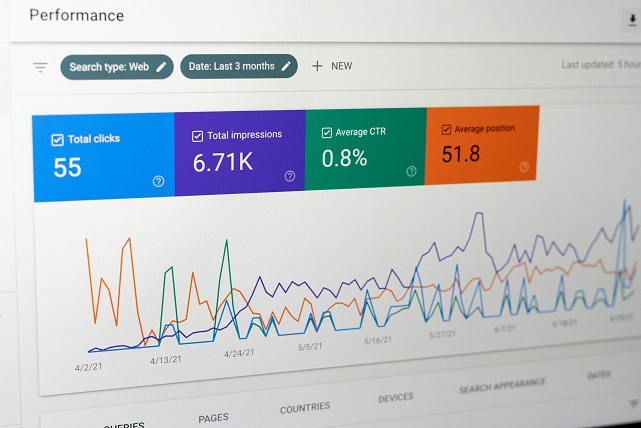
Business performance measurement is a systematic process used to evaluate a company’s effectiveness in achieving its objectives and operational goals. This evaluation is crucial for organizations aiming to enhance their overall performance, optimize their processes, and drive long-term growth. In today’s competitive market, understanding how to measure business performance effectively is not merely advantageous; it is essential for survival and success. Key performance metrics play a significant role in this measurement process. Commonly used indicators include revenue growth, profitability ratios, customer satisfaction levels, and employee performance metrics. Each of these indicators provides insights into different facets of a business’s operations. For instance, revenue growth reflects the company’s ability to expand its market share, while profitability ratios, such as profit margins, give an understanding of how well a business controls its costs and expenses.
Moreover, businesses often rely on quantitative metrics, such as return on investment (ROI) and net profit margin, alongside qualitative measures like customer feedback and employee engagement surveys. Both types of metrics are indispensable as they provide a holistic view of the organization’s performance. By systematically gathering and analyzing these data, businesses can identify areas that require improvement, set strategic goals, and track their progress over time.
Understanding and implementing effective business performance measurement techniques empowers organizations to make informed decisions and align operational activities with their strategic objectives. As companies navigate through challenges and opportunities in the business landscape, performance measurement serves as a foundational element that facilitates continuous improvement and sustained success.
Understanding Key Performance Indicators (KPIs)
Key Performance Indicators, commonly referred to as KPIs, are critical metrics that assist organizations in measuring their effectiveness in achieving key business objectives. These quantifiable measures enable businesses to evaluate their success at reaching targets and can guide strategic decision-making processes. KPIs are essential tools that provide insights into performance levels across various functions within an organization, thereby facilitating the alignment of strategies with defined business goals.
KPIs can be categorized into quantitative and qualitative measures. Quantitative KPIs offer numerical data that can be tracked over time, making them straightforward to analyze. For example, revenue growth rate, customer acquisition costs, and net profit margin are quantitative KPIs that provide a clear picture of a company’s financial health. On the other hand, qualitative KPIs capture more subjective aspects of business performance, such as employee satisfaction and brand awareness. While these metrics may be harder to quantify, they play a critical role in shaping the organizational culture and customer relations.
Establishing effective KPIs requires careful consideration of various factors, including the specific objectives of the business, the industry context, and the data availability. It is vital that KPIs are relevant and aligned with the organization’s overarching goals. Regularly monitoring these indicators helps businesses identify trends, make informed adjustments, and foster continuous improvement. For instance, a company focused on customer retention may establish KPIs related to customer satisfaction scores or repeat purchase rates, providing insights that directly relate to customer loyalty initiatives.
In summary, KPIs serve as essential tools for businesses looking to assess their performance against their objectives. These indicators, whether quantitative or qualitative, enable organizations to gauge their progress, identify areas of strength and weakness, and refine strategies to enhance overall performance.
Types of Business Performance Metrics
When evaluating business performance, it is essential to utilize a variety of performance metrics that provide insight into different aspects of operations. Typically, these metrics fall into four major categories: financial metrics, operational metrics, customer-related metrics, and employee performance metrics.
Financial metrics serve as a primary indicator of a company’s economic health. Key performance indicators (KPIs) in this category include profit margins, return on investment (ROI), and revenue growth. These metrics help businesses understand their profitability, efficiency in using resources, and overall financial stability.
Operational metrics focus on the internal processes of a business. Metrics such as cycle time, utilization rates, and production costs fall under this category. By analyzing these figures, companies can identify areas for improvement in their operations, streamline processes, and ultimately achieve better resource management.
Customer-related metrics reflect the satisfaction and loyalty of customers, which are crucial for business sustainability. Metrics such as customer satisfaction scores, net promoter scores (NPS), and customer retention rates gauge how well a business meets customer needs and expectations. These indicators can highlight opportunities for enhancing customer experience and driving repeat business.
Lastly, employee performance metrics focus on the productivity and engagement of the workforce. Metrics like employee turnover rates, productivity measures, and performance reviews provide insight into employee morale and effectiveness. High levels of employee satisfaction often correlate with higher performance across the business, thereby affecting overall success.
Incorporating a balanced combination of these types of metrics offers a comprehensive view of business performance. By understanding financial, operational, customer, and employee metrics, organizations can make informed decisions that foster growth and improve overall effectiveness.
Setting SMART Goals for Performance Measurement
Establishing a strong foundation for performance measurement in any business context begins with setting SMART goals. The SMART criteria, which stands for Specific, Measurable, Achievable, Relevant, and Time-bound, ensure that the objectives are clear and attainable, providing a structured approach to evaluation.
Firstly, Specific goals are clearly defined and focused. A specific goal answers questions such as who is involved, what do I want to achieve, where will it take place, and why is it important. By making goals specific, businesses can avoid ambiguity, which can often lead to misinterpretation and inefficiency in performance evaluation.
Secondly, the goals must be Measurable, allowing the business to track progress and success quantitatively. This aspect of goal-setting often involves identifying key performance indicators (KPIs) that align with the overall objectives of the organization. By focusing on measurable goals, businesses can assess performance and make necessary adjustments as required.
Achievable goals are those that are realistic and attainable, considering the resources and constraints of the business. When setting objectives, it is crucial to ensure that they are challenging yet feasible. This fosters motivation while promoting a productive environment for achievement within the team.
The relevance of the goals to the overarching business strategy is essential for maintaining alignment. Each goal should contribute meaningfully to the success of the business and its strategic direction, thus enhancing the effectiveness of performance measurement.
Lastly, Time-bound goals establish a clear timeline for when the objectives should be achieved. Deadlines encourage focus and urgency, which can enhance performance outcomes. Setting a timeline aids in assessing progress and promoting accountability among team members.
By applying the SMART framework to goal-setting, businesses can more effectively measure performance. This methodology not only clarifies expectations but also supports strategic alignment and continuous improvement within the organization.
Tools and Technologies for Measuring Performance
In the modern business landscape, measuring performance effectively is crucial for making informed decisions and driving growth. Numerous tools and technologies are available that assist businesses in tracking and assessing their performance metrics. These can be broadly categorized into analytical tools, data visualization software, and performance management systems.
Analytical tools, such as Google Analytics and Microsoft Power BI, play a significant role in performance measurement. Google Analytics offers comprehensive insights into web traffic and user behavior, helping businesses assess their online presence. Microsoft Power BI, on the other hand, facilitates data analysis by integrating various data sources and enabling users to create interactive reports. These analytical capabilities not only streamline data interpretation but also empower businesses to identify critical performance indicators (KPIs) effectively.
Data visualization software is another essential component in performance measurement. Tools like Tableau and Qlik provide businesses the means to transform complex data sets into compelling visual formats. This capability ensures that stakeholders can quickly grasp performance trends and make data-driven decisions. Both Tableau and Qlik allow users to create customizable dashboards that present real-time data, making it easier to monitor performance across different departments.
Performance management systems, such as SAP SuccessFactors and Oracle HCM Cloud, provide robust frameworks for measuring and managing employee performance. These software applications enable organizations to set goals, conduct performance reviews, and track employee progress systematically. By integrating performance management with business goals, these systems ensure that all efforts align toward achieving organizational objectives.
In summary, selecting the right tools and technologies for measuring business performance is integral to ensuring operational efficacy. The combination of analytical tools, data visualization software, and performance management systems can significantly enhance an organization’s ability to monitor, assess, and drive performance in a competitive market.
Data Collection and Analysis Techniques
In today’s competitive business environment, effective performance measurement relies heavily on the techniques utilized for data collection and analysis. Organizations can harness various methodologies, such as surveys, financial reports, and customer feedback, to gather actionable insights that inform strategic decisions. Each of these approaches serves a distinct purpose, yet they collectively contribute to a business’s overall performance.
Surveys are a prominent data collection technique that allows businesses to directly engage with stakeholders, including employees, customers, and partners. By designing targeted questionnaires, companies can gain valuable insights regarding customer satisfaction, employee engagement, and market trends. Furthermore, privacy and confidentiality must be upheld to encourage candid responses, enhancing the reliability of the data collected.
Financial reports are another critical resource for measuring business performance. These reports provide a comprehensive view of an organization’s fiscal health, revealing trends in revenue, expenses, and profitability. Regularly reviewing financial data enables firms to assess their operational efficiency and make informed decisions to mitigate risks or capitalize on opportunities. Ensuring accuracy in these reports is vital, as they form the financial backbone of strategic planning initiatives.
Customer feedback is indispensable as it reflects the perceptions and experiences of those interacting with a business. Utilizing various platforms such as online reviews, social media discussions, and direct feedback mechanisms companies can retrieve insights on product quality, service levels, and overall brand reputation. Analyzing this feedback allows organizations to identify strengths and weaknesses, particularly in customer service or product offering, which can be pivotal in enhancing performance.
Ultimately, adopting a data-driven approach is essential for organizations aiming to boost their performance. Leveraging diverse data collection practices coupled with rigorous analysis not only informs decision-making but also drives continuous improvement across all facets of the business.
Interpreting Results: Beyond the Numbers
Measuring business performance involves more than simply aggregating and reviewing data; it requires a nuanced understanding of the context surrounding these numerical results. Successful interpretation involves recognizing trends, understanding underlying factors, and leveraging insights for more informed decision-making. Business leaders should shift their focus from merely what the numbers indicate to the stories those figures tell.
First, to interpret performance measurement results effectively, it is critical to identify relevant benchmarks and industry standards. Comparisons to historical data can highlight significant trends and shifts that may not be visible from raw data alone. Moreover, contextualizing performance activities within the broader market or social environment offers additional insights that enhance understanding. For instance, an increase in sales figures could be misleading if not examined against market trends or economic indicators that might be influencing consumer behavior.
Identifying trends is another key facets of interpretation. Data visualization tools are particularly useful in this regard. By applying graphical representations, such as charts and graphs, organizations can easily observe fluctuations over time. This visual approach fosters pattern recognition and assists in forecasting future business performance. Such foresight enables businesses to make proactive changes, adapting strategies based on clear and tangible trends rather than guesswork.
Furthermore, it is essential to involve cross-functional teams in the interpretation process. Diverse perspectives can uncover blind spots that may be overlooked by focusing solely on numerical data. The synergy created by team collaboration often leads to richer analysis and more robust conclusions.
In conclusion, translating data into actionable insights requires a comprehensive approach that factors in context, recognizes trends, and encourages collaborative interpretation. By doing so, businesses can navigate complexities more adeptly and drive improved performance.
Continuous Improvement through Performance Measurement
In the ever-evolving business landscape, the continuous improvement process is vital for any organization aiming to excel. By regularly measuring performance, businesses can gain invaluable insights into their operations, allowing them to adapt and refine their strategies. This practice establishes a feedback loop where performance metrics inform decision-making, ultimately driving enhanced operational efficiency.
To implement a successful continuous improvement framework, companies should first identify key performance indicators (KPIs) that align with their strategic goals. These KPIs serve as measurable standards that provide a clear picture of progress towards objectives. Regular monitoring of these indicators not only highlights areas of strength but also pinpoints weaknesses that demand attention. The act of tracking performance enables organizations to assess the effectiveness of their current strategies and make necessary adjustments in real time.
Moreover, continuous improvement is facilitated through collaborative engagement among team members. Discussions centered on performance measurement encourage a culture of openness, where feedback is valued. This fosters an environment where employees are motivated to contribute ideas for improvement based on the insights derived from performance data. Such involvement not only enhances team morale but also cultivates a proactive approach to identifying and addressing potential issues before they escalate.
Maintaining agility in response to performance insights is crucial. Businesses should be willing to reassess their strategies based on the evidence gathered from performance measurement. This adaptability ensures that they remain competitive and are better equipped to respond to market dynamics. In essence, by intertwining performance measurement with a continuous improvement mindset, organizations can not only refine their processes but also drive sustainable growth.
Case Studies and Examples of Effective Measurement
Performance measurement is a critical aspect of business management that enables organizations to assess their efficiency and effectiveness in achieving strategic goals. Several companies have successfully incorporated measurement systems, leading to improvements in their operations and overall performance. This section explores notable case studies to illustrate these concepts.
One exemplary company is Amazon, which employs sophisticated performance metrics to track customer satisfaction, operational efficiency, and financial health. Amazon utilizes data analytics to assess delivery times and customer feedback, allowing them to make real-time adjustments. By aligning their operational strategies with performance metrics, Amazon has significantly enhanced customer loyalty and market share. This case highlights the importance of utilizing technology in gathering and analyzing performance data to drive decision-making.
Another interesting case can be found in Starbucks, which focuses on employee satisfaction as a key performance indicator. By measuring employee engagement levels, Starbucks ensures high levels of service quality, which translates into better customer experiences. The company successfully implemented a feedback mechanism that allows employees to share their insights and ideas. This approach not only fosters a positive workplace culture but also leads to improved customer retention and revenue growth.
Furthermore, General Electric (GE) provides a compelling example of how performance measurement can lead to operational excellence. GE employs the use of Six Sigma methodologies to minimize defects and enhance product quality. By measuring performance against specific benchmarks, GE has been able to streamline processes and reduce costs significantly. Their commitment to continuous improvement and data-driven decision-making underscores the pivotal role of effective measurement in achieving superior performance.
These case studies demonstrate that companies across various industries can benefit from implementing tailored performance measurement tools. By learning from the experiences of these organizations, businesses can adopt best practices and embark on their own journey toward performance excellence.