


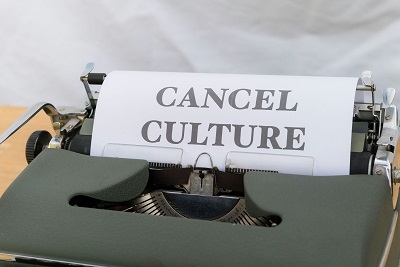
Cancel culture refers to the collective efforts made by individuals or groups to hold public figures and organizations accountable for deemed unacceptable behaviors or statements, typically through social media platforms. The origins of cancel culture can be traced back to early 2010s, emerging as social media became an increasingly significant part of community engagement and public discourse.
As digital connectivity grew and various social media platforms such as Twitter, Facebook, and Instagram gained prominence, the capacity for ordinary users to mobilize against perceived injustices expanded exponentially. This burgeoning phenomenon often manifests as public calls to boycott or shun certain individuals or entities whose actions or opinions do not align with rapidly shifting societal values.
In recent years, instances of cancel culture have included cases involving celebrities, political figures, and corporations, wherein past comments or actions were scrutinized under contemporary ethical standards. Critics argue that this cultural movement creates a chilling environment where dissenting opinions are stifled, while advocates maintain that it serves as a critical mechanism for social accountability. This ongoing tension underscores the complex relationship between the right to free speech and the pursuit of social justice.
Moreover, social media has played a pivotal role in the amplification of voices advocating for accountability. The ability for users to rapidly share information, along with the viral nature of trending topics, enables individuals to expose unacceptable behaviors without the necessity of institutional gatekeepers. As a result, society is increasingly redefining what constitutes acceptable norms, reshaping interactions both online and offline.
Consequently, understanding cancel culture requires a nuanced exploration of the motivations, implications, and consequences of these collective actions that have sparked considerable debate across various demographics and ideologies.
The Mechanisms of Cancel Culture
Cancel culture operates through a multi-faceted approach, primarily facilitated by social media platforms that serve as amplifiers for public opinion and discourse. At the heart of this phenomenon are social media campaigns, which often gain momentum rapidly, encouraging users to mobilize around a perceived wrongdoing. These campaigns typically manifest as hashtags, viral posts, or trending topics, enabling rapid dissemination of information and rallying individuals to express their discontent.
Another critical tool in cancel culture is online petitions, which call for accountability or consequences for individuals accused of offensive behavior or views. Websites like Change.org allow users to create and circulate petitions that can gather thousands of signatures in a short period, amplifying the call for action and pressuring organizations and companies to respond. This collective action can lead to real-world consequences, including job loss or public condemnation.
Public shaming is also a central aspect of the cancel culture mechanism. Individuals who find themselves under scrutiny often experience intense social media backlash, where their actions or statements are dissected, criticized, and often exaggerated by the online community. High-profile cases, such as those involving celebrities or public figures, illustrate how quickly an individual can be vilified. Notable examples include accusations against actors and musicians, where their past behaviors are brought to light, leading to widespread outcry and demands for consequences.
Through these mechanisms, cancel culture reflects societal values and controversies, provoked by a group’s desire for accountability. However, it also raises questions about the nature of public discourse, the role of forgiveness, and the limits of accountability. Exploring specific case studies offers insight into how these dynamics unfold in real situations and how individuals navigate the repercussions of being canceled.
Accountability: A Justifiable Demand?
In recent years, the phenomenon known as cancel culture has sparked intense debate regarding its role in fostering accountability among public figures. Supporters of cancel culture argue that it serves as a crucial mechanism for ensuring that individuals, particularly those in positions of influence, are held responsible for their actions and statements. This perspective posits that traditional forms of accountability have often failed to address behaviors that are harmful or oppressive, making cancel culture an essential tool for advancing social justice.
Proponents assert that when individuals engage in harmful rhetoric or actions, they should face consequences that reflect the gravity of their misconduct. Cancel culture provides a platform for marginalized voices to be heard, allowing communities to collectively challenge and reject the behaviors of public figures who perpetuate harmful ideologies. This emphasis on accountability is seen as a necessary corrective to long-standing systems of power that have often shielded influential individuals from criticism or responsibility.
Moreover, supporters of this movement argue that public accountability fosters an environment where individuals are more conscious of their words and actions. By making examples of those who engage in objectionable behavior, cancel culture encourages a broader cultural shift towards greater empathy and awareness. In this view, the call for accountability is not merely about punishment; rather, it is a call to promote dialogue and reflection on the impact of one’s words and actions on society.
However, this approach is not without its critics, who often argue that it can lead to excessive backlash and a culture of fear. Nonetheless, the underlying belief remains that accountability, especially in the public sphere, is a justifiable demand. In an era where communication is instantaneous and far-reaching, the imperative for individuals to take responsibility for their actions has never been more pronounced.
The Overreaction Argument
Cancel culture, while often positioned as a necessary tool for social accountability, can sometimes manifest as an extreme reaction, inflicting severe consequences on individuals. Critics of the phenomenon argue that such overreactions can lead to detrimental outcomes that far exceed the original transgression. When public figures are canceled, the repercussions may include loss of livelihood, widespread vilification, and damage to personal relationships, which raises questions regarding the proportionality of the response.
One significant concern centers on the permanence of these consequences. Individuals subjected to cancel culture may find it challenging to regain their reputation after being ostracized, regardless of the nature or context of their alleged wrongdoing. For example, many who have been publicly denounced face difficulties securing employment, as employers may be hesitant to associate with them due to their tarnished image. This situation creates a landscape where individuals are not given an opportunity for redemption or to express remorse, often resulting in lifelong repercussions.
Moreover, the environment created by cancel culture can stifle open dialogue. People may refrain from voicing their opinions or engaging in debates due to the fear of being canceled for expressing thoughts that diverge from the mainstream narrative. This chilling effect on discourse can rob society of diverse viewpoints, which are crucial for a robust democratic process. As a result, some argue that the collective outrage incited by cancel culture lacks nuance and fails to consider context, leading to a simplistic view of accountability that overlooks the complexities of human behavior.
Supporters of the overreaction argument posit that a balanced approach to accountability is necessary, advocating for constructive criticism over public shaming. This perspective underscores the importance of fostering environments where mistakes can lead to meaningful dialogues and growth rather than immediate social ostracism. In doing so, society can promote genuine change without resorting to disproportionate reactions that may harm individuals for life.
Psychological Impact of Cancel Culture
Cancel culture, a phenomenon characterized by public calls for the ostracism of individuals or entities due to perceived unacceptable behavior, can have profound psychological ramifications for those affected by such actions. The individuals who find themselves in the crosshairs of cancel culture often experience heightened levels of anxiety and depression as they grapple with public scrutiny and social rejection. The sudden loss of professional and personal support networks can exacerbate feelings of isolation and despair.
Social media amplifies this impact, as the rapid dissemination of information can lead to an overwhelming barrage of criticism and backlash. Individuals targeted by cancel culture frequently report feeling overwhelmed and helpless in the face of relentless public condemnation. This persistent exposure to negative feedback can foster a pervasive sense of fear and dread, as they navigate their personal and professional lives under the shadow of public opinion.
The fear of being marginalized can lead to a reluctance to voice opinions or engage in discussions about sensitive topics. This form of self-censorship erodes personal freedoms and stifles open dialogue, ultimately contributing to an atmosphere marked by heightened social tension. Additionally, the stigma associated with being ‘canceled’ can result in long-lasting effects, often hindering an individual’s ability to reintegrate into society or career life.
Moreover, those who regain footing after being canceled may still carry the psychological scars of the experience. Trust issues, diminished self-esteem, and a pervasive sense of vulnerability are common as former targets navigate their changing social landscapes. The psychological toll of cancel culture extends beyond immediate reactions; it shapes how individuals perceive their roles within society, pushing some to retreat from public life altogether.
Cancel Culture and Free Speech
The phenomenon of cancel culture has become a focal point in discussions about free speech and accountability. It raises fundamental questions about where we draw the line between holding individuals responsible for their words and actions and infringing on their right to express themselves. Advocates for cancel culture often argue that it serves as a tool for marginalized communities to demand accountability from those in power. They perceive it as a necessary response to harmful rhetoric or actions that perpetuate systemic injustices.
However, critics argue that the implications of cancel culture can lead to a chilling effect on free speech. Individuals may self-censor or avoid discussing certain topics altogether out of fear of being “canceled” or facing severe backlash. This dynamic creates an environment where the exchange of diverse ideas becomes stifled. In essence, while cancel culture is intended to promote justice and accountability, it can inadvertently result in an atmosphere of anxiety regarding open dialogue.
The coexistence of these two competing interests—accountability and freedom of expression—illustrates the complexity of modern discourse. Many believe that cancel culture has become too punitive, where individuals lose their careers or social standing over perceived infractions that could potentially lead to constructive dialogue and growth. On the other hand, proponents maintain that accountability is essential in ensuring that harmful behaviors are addressed effectively.
Ultimately, the intersection of cancel culture and free speech invites ongoing debate. As society grapples with these pressing issues, it is vital to consider the potential consequences of cancel culture on public discourse. Striking a balance that allows for constructive accountability while protecting free speech remains a challenge, requiring nuanced discussions and a commitment to understanding diverse perspectives.
Case Studies: High-Profile Cancel Culture Incidents
Cancel culture has emerged as a significant societal phenomenon, marked by instances that stir public debate and highlight issues surrounding accountability and overreaction. This section examines several high-profile cases, illustrating the multifaceted nature of cancel culture.
One notable example is the case of comedian Kevin Hart, who was set to host the 2019 Academy Awards. Just days before the ceremony, controversial tweets from Hart’s past resurfaced, leading to widespread backlash and calls for him to step down. Hart initially refused to apologize, which only intensified public outrage. Ultimately, he chose to exit the hosting role, an incident that sparked discussions about the power of social media in shaping public persona and the importance of accountability for past actions.
Another significant case involved J.K. Rowling, the author of the Harry Potter series. In 2020, she faced backlash after expressing views that many perceived as transphobic. The reaction was swift and severe, with numerous fans and advocates calling for a boycott of her work. This incident ignited a larger conversation about freedom of speech versus the potential harm caused by inflammatory rhetoric, highlighting the complexity of determining accountability in the age of social media.
Similarly, the #MeToo movement propelled several public figures into the spotlight for accusations of sexual misconduct, resulting in immediate social and professional consequences. For instance, film producer Harvey Weinstein’s fall from grace began with allegations that culminated in his conviction on multiple counts of sexual assault. While many viewed the movement as an essential push for accountability, others expressed concerns about the potential for overreaction and the accuracy of allegations being made without due process.
Each of these incidents demonstrates the intricate dynamics of cancel culture. Public reactions can vary widely, showcasing the divided opinions on whether these actions represent a necessary demand for accountability or an overreaching response to mistakes and differing beliefs. As society continues to navigate this landscape, understanding the nuances of each case remains vital in assessing the role and impact of cancel culture.
Proposed Solutions and Middle Ground
As society grapples with the consequences of cancel culture, it becomes increasingly vital to identify potential solutions that strike a balance between the need for accountability and the opportunity for personal growth. Addressing the ramifications of public shaming and ostracism calls for a collaborative effort from individuals, communities, and institutions alike, fostering an environment wherein constructive criticism can thrive without succumbing to harmful cancellation practices.
A primary solution lies in promoting dialogues that are centered around understanding and empathy. Rather than resorting to instant condemnation, individuals should engage in conversations that allow for differing perspectives. These discussions can serve as a platform for education and enlightenment, enabling the accused to learn from their mistakes and facilitating a pathway for reconciliation. Educational initiatives can also equip individuals with the tools needed to navigate sensitive topics, thereby minimizing the potential for unintentional offense.
Additionally, it is essential to cultivate a culture that values forgiveness and recognizes the fallibility of human nature. Establishing a framework for second chances encourages individuals to evolve and learn from their actions rather than facing perpetual exile from their communities. Organizations and social media platforms should implement restorative justice practices, which focus on addressing the harm caused by behavior rather than solely punishing the offender.
Finally, promoting healthy boundaries for accountability is crucial. Distinguishing between harmful behavior and a mere misstep can help to prevent disproportionate reactions to relatively minor offenses. Encouraging a culture of measured response allows for necessary accountability without tipping over into the realms of cancellation, thereby preserving personal relationships and community cohesion.
Conclusion: The Future of Cancel Culture
Cancel culture has swiftly become a defining phenomenon of the digital age, fundamentally altering the landscape of accountability in communication. Throughout our exploration of this topic, we have examined how the digital realm facilitates swift consequence for perceived transgressions, allowing collective voices to emerge and take action against individuals or institutions deemed culpable. It has proven to be both a powerful tool for justice and a means of enforcing conformity, raising significant questions regarding its ethical implications.
The ongoing discourse surrounding cancel culture suggests a potential evolution in societal norms related to accountability. As the public grapples with the constitutional balance between freedom of speech and the repercussions for offensive remarks, we may witness a shift in how society navigates these challenges. Essential to this evolution will be a broader understanding of context, intent, and the pathways to redemption for those who have erred.
Furthermore, as social media algorithms continue to shape public discourse, the implications of cancel culture may extend beyond individual accountability to influence broader societal dialogue. Expecting increased scrutiny of powerful figures may not only continue but also foster an environment where communication is filtered through the lens of fear of backlash. On a positive note, this scrutiny may promote more mindful discourse, encouraging individuals to engage thoughtfully and responsibly.
In conclusion, the future trajectory of cancel culture remains uncertain. It will likely follow societal attitudes towards accountability, empathy, and understanding in the face of public outrage. As individuals navigate this complex landscape, a potential path forward may entail fostering discourse that promotes constructive critique rather than mere ostracism, ultimately aiming for a balance between accountability and the potential for personal growth and understanding.