


Company culture refers to the shared values, beliefs, and practices that shape the environment of a workplace. It encompasses the attitudes and behaviors that are encouraged within an organization, influencing how employees interact with each other and with the organization’s goals. This culture is not always explicitly stated; often, it emerges naturally through the daily practices and traditions of the company. Several elements contribute to the development of a strong company culture. Firstly, leadership plays a crucial role in defining and exemplifying the values that the organization stands for. Leaders set the tone for how employees should behave and approach their work, creating an atmosphere that supports their vision. Additionally, the communication style prevalent within the organization affects how culture is experienced by employees. Open and transparent communication fosters trust and collaboration, while hierarchical or ambiguous communication can create an atmosphere of uncertainty.
Shared values are another key aspect of company culture. These values guide decision-making and help align individual behaviors with organizational goals. When employees resonate with the company’s core values, they tend to be more engaged and motivated. Furthermore, practices such as recognition, conflict resolution, and teamwork initiatives contribute to shaping how culture is experienced in day-to-day operations.
Moreover, company culture impacts employee behavior and performance significantly. A positive culture can enhance employee satisfaction and reduce turnover, while a negative or toxic culture may lead to disengagement and diminished productivity. It is imperative for organizations to continually assess and nurture their culture, adapting as necessary to ensure that it aligns with their strategic objectives and supports employee success.
Importance of a Strong Company Culture
Establishing a robust company culture is essential for fostering an environment that promotes overall success. A strong company culture significantly enhances employee morale by creating a sense of belonging and purpose among team members. When employees feel valued and aligned with the company’s mission, their engagement and satisfaction levels rise, leading to a more committed workforce.
One of the most notable advantages of cultivating a positive culture is its direct impact on employee turnover rates. Research indicates that organizations with a vibrant, inclusive culture experience lower turnover, ultimately leading to reduced recruitment costs and operational disruptions. For instance, companies with well-defined cultures often report up to 50% lower turnover rates than those lacking clarity on their cultural values. This statistic underscores how critical a strong culture is in retaining valuable talent.
Moreover, a strong company culture can elevate productivity levels across the organization. Employees who resonate with their workplace culture are not only more motivated but also more likely to go the extra mile in their roles. According to a Gallup report, highly engaged teams show 21% greater profitability than their less engaged counterparts. This metric illustrates that investing in a positive culture contributes directly to improved business outcomes and higher financial performance.
Beyond these immediate benefits, a well-defined company culture aids in attracting and retaining top talent. Candidates increasingly seek workplaces that align with their values and beliefs, and a strong company culture often serves as a compelling factor in their decision-making process. Organizations that successfully communicate their culture can distinguish themselves in competitive job markets, ultimately helping them build a diverse and innovative team that drives future growth.
Assessing Your Current Culture
Understanding the existing company culture is a critical step in fostering a positive work environment. Companies can assess their current culture through various methods which provide insights into employee satisfaction and engagement levels. One effective approach is conducting employee surveys. These surveys can encompass a range of topics, from job satisfaction to work-life balance, allowing organizations to gather quantifiable data on employee sentiments.
Another valuable technique for assessing company culture is through focus groups. These intimate settings enable a selection of employees to discuss their experiences, perceptions, and suggestions related to the workplace environment. Focus groups can facilitate deeper conversations and uncover issues that may not be highlighted in traditional survey formats, as they provide a platform for employees to express themselves openly.
Informal discussions can also play a significant role in evaluating company culture. Casual interactions between employees and management can yield rich qualitative insights that surveys may miss. Managers need to foster an atmosphere where employees feel comfortable sharing their thoughts and feelings. Regular check-ins and open-door policies can encourage these types of conversations, promoting a culture of transparency and trust.
In addition to these methods, leveraging technology can help organizations analyze their cultural landscape effectively. Tools such as engagement platforms and employee feedback systems can provide real-time insights, enabling companies to track changes over time and assess the effectiveness of implemented improvements.
By employing a combination of surveys, focus groups, and informal discussions, organizations can develop a comprehensive understanding of their current culture. This assessment is essential for identifying areas requiring attention and shaping a more positive and inclusive workplace environment.
Defining Core Values
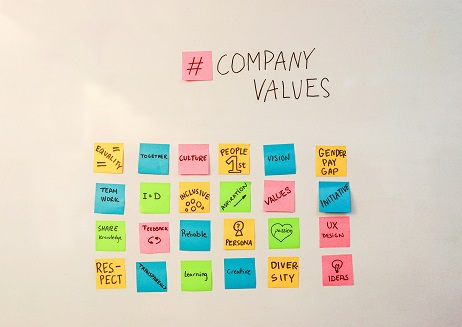
Establishing core values is a pivotal step in the development of a robust company culture. Core values serve as the foundation upon which the organization’s identity is built. They guide behaviors, decision-making, and company priorities while aligning employees with the organization’s vision. The process of defining these values is straightforward yet requires thoughtful consideration and collaboration.
The first step involves gathering input from a diverse group of employees across various levels and departments. This ensures that the identified values resonate with the entire organization rather than being dictated from the top down. Utilizing surveys or conducting focus groups can open a dialogue that encourages employees to share what they believe the company stands for and what principles are most important to its success.
Once a collection of potential values is amassed, the next phase is to distill that list down to the most essential principles that truly represent what the organization aspires to embody. Ideally, this list should include no more than five to seven core values, as having too many can dilute their significance. Engage stakeholders in discussions to prioritize these values, allowing for adjustments based on collective feedback. This collaborative approach fosters ownership, making it more likely employees will embrace and embody these values in their daily work.
Additionally, it is crucial to articulate each core value clearly. Consider including specific behaviors that exemplify each value to provide practical guidance. Communicating these core values effectively through various channels, such as onboarding materials, company meetings, and internal communications, further ingrains them into the company culture. Regular reflection on these values during performance reviews or company-wide meetings can also help reinforce their importance.
Communication is Key
Effective communication plays a pivotal role in fostering a robust company culture. It ensures that employees feel valued, informed, and engaged. A transparent communication strategy enhances trust, encourages collaboration, and boosts overall morale within the organization. For companies aiming to build a strong culture, implementing various strategies to maintain open lines of communication among employees and management is essential.
One of the primary methods for facilitating communication is through regular meetings. These gatherings, whether held weekly or monthly, provide a platform for employees to voice concerns, share ideas, and receive updates about the company’s direction. It is essential that these meetings encourage participation from all team members, fostering inclusivity and ensuring that diverse perspectives are considered.
In addition to face-to-face interactions, utilizing digital platforms for communication proves beneficial in today’s fast-paced work environment. Tools such as Slack, Microsoft Teams, or Asana allow for real-time discussion and feedback, helping to eliminate barriers to communication. By leveraging these technological solutions, organizations can keep everyone aligned and informed, regardless of their location. Digital platforms can also serve as repositories for important information, ensuring that employees have access to crucial updates at their convenience.
Periodic updates from management contribute significantly to effective communication. Regular newsletters, departmental briefs, or all-hands meetings can keep staff informed about strategic initiatives and company news. By consistently sharing pertinent information, leadership reinforces transparency and demonstrates a commitment to keeping employees in the loop, which can strengthen the overall company culture. This proactive approach to communication serves as a foundation for trust and collaboration, ultimately leading to a more positive and productive workplace.
Leadership’s Role in Company Culture
Leadership is a foundational component in forming and nurturing a positive company culture. Effective leaders significantly influence the attitudes, behaviors, and overall morale within an organization. They are often viewed as the embodiment of the company’s values, and their actions set a benchmark for employees.
One key trait of effective leaders is their ability to communicate transparently and authentically. By fostering open communication, leaders encourage employees to voice their ideas and concerns, which reinforces a culture of trust and collaboration. This transparency not only uplifts employee engagement but also aligns the workforce with the company’s mission and vision.
Moreover, effective leaders demonstrate empathy and emotional intelligence. They understand the unique challenges facing their team members and make concerted efforts to support them. This empathetic leadership style cultivates a sense of belonging and encourages employees to contribute positively to the organizational culture. A leader who values their team promotes an environment where innovation and creativity thrive, further enhancing company culture.
Accountability is another essential trait that leaders must embody. By holding themselves and their teams accountable for performance and behavior, leaders reinforce the company’s core values. This practice instills a sense of responsibility among employees and encourages them to embody the desired culture in their daily activities. Moreover, recognizing and rewarding behaviors that align with company values reinforces the importance of maintaining a strong culture.
Ultimately, leaders shape the corporate narrative by their vision and behaviors. To successfully maintain a robust company culture, leadership must prioritize these attributes and continuously strive for improvement, adaptation, and alignment with the organization’s evolving objectives. In conclusion, the role of leadership is crucial in shaping, maintaining, and nurturing a company culture that drives organizational success.
Encouraging Employee Engagement
Employee engagement plays a crucial role in developing a thriving company culture that enhances productivity and workplace satisfaction. To foster a vibrant atmosphere, organizations should consider implementing several strategic practices that positively influence employee morale and collaboration.
One effective approach to enhance engagement is creating opportunities for professional development. This can involve offering training programs, workshops, mentorship initiatives, and scholarships for employees pursuing further education related to their field. By investing in their professional growth, companies not only elevate worker skills but also demonstrate that they value their contributions to the organization.
Another key strategy is to encourage team collaboration. This can be achieved by promoting cross-departmental projects, where employees from various levels and disciplines come together to solve problems or innovate. Creating such collaborative initiatives not only enhances the camaraderie among employees but also leads to diverse perspectives that can address challenges more effectively. Providing the right tools, such as project management software or communication platforms, can facilitate this teamwork by streamlining processes and supporting real-time interaction.
Additionally, recognizing individual contributions is fundamental in fostering a supportive culture. Implementing recognition programs, whether through formal awards, public acknowledgment during meetings, or informal shout-outs, helps highlight the hard work and achievements of employees. This not only boosts morale but also motivates others to strive for excellence, reinforcing a culture of appreciation and respect.
In summary, enhancing employee engagement through professional development, team collaboration, and recognition can significantly uplift a company’s culture. By adopting these strategies, organizations can create an environment that empowers employees, ultimately leading to higher satisfaction and retention rates.
Diversity and Inclusion in Company Culture
Promoting diversity and inclusion is essential in cultivating a robust company culture. Organizations that prioritize these values not only reflect societal changes but also harness a wealth of perspectives, experiences, and ideas. A diverse workplace contributes significantly to creative problem-solving and innovation, as employees from various backgrounds can approach challenges with unique viewpoints, leading to more comprehensive solutions and strategies.
Furthermore, diversity in the workplace can boost employee morale and satisfaction. When individuals feel valued for their distinct identities and experiences, they are more likely to contribute actively and feel a sense of belonging. This sense of belonging fosters loyalty and retention, reducing turnover and associated costs. Moreover, organizations that emphasize inclusivity tend to attract top talent from a broader pool, enhancing the quality and abilities of the workforce.
Creating an inclusive environment involves implementing policies and practices that encourage participation from all employees. Successful initiatives may include diversity training programs, mentorship opportunities, and the establishment of resource groups that represent diverse interests. These mechanisms ensure that every voice is heard, creating a collaborative atmosphere conducive to personal and professional growth.
Additionally, embracing diversity and inclusion can positively impact a company’s reputation. Organizations increasingly recognized for their commitment to these values often enjoy better brand loyalty and customer relations. Clients and partners favor working with companies that reflect their commitment to social responsibility, which can lead to increased market opportunities.
In summary, integrating diversity and inclusion into company culture is vital for fostering creativity, improving employee satisfaction, and enhancing overall performance. By valuing diverse perspectives and inclusive practices, organizations can develop a more innovative, engaged, and productive workforce.
Continuous Improvement of Company Culture
Maintaining a strong company culture is not a one-time event; rather, it necessitates ongoing evaluation and enhancement. Organizations must actively seek out feedback and adapt their policies and practices to reflect the evolving needs of their workforce. This commitment to continuous improvement is crucial for fostering a vibrant organizational culture that aligns with changing business objectives and employee expectations.
Implementing feedback mechanisms is a fundamental step in this process. Surveys, focus groups, and one-on-one interviews are effective tools that organizations can use to gather insights from employees about their experiences and perceptions of the company culture. By regularly collecting feedback, employers can identify strengths while also uncovering areas needing improvement. This data-driven approach enables organizations to make informed adjustments that promote a positive work environment.
Furthermore, it is essential to create an open dialogue between leadership and employees. When employees feel comfortable voicing their opinions, it fosters a sense of ownership and belonging within the company. This engagement not only enhances morale but also encourages employees to take part in cultural initiatives, ensuring that improvements are collectively embraced.
Another key aspect of continuous improvement is the necessity for leaders to model desired behaviors within the company culture. Leaders must not only communicate expectations but also embody the values and behaviors they wish to see in their employees. By doing so, they set a precedent that reinforces the importance of cultural values throughout the organization.
In conclusion, the ongoing monitoring and enhancement of company culture are integral to sustaining an engaged and productive workforce. Organizations that prioritize feedback mechanisms and foster an open dialogue among employees are better positioned to adapt their cultures to meet the needs of all stakeholders, thus ensuring long-term success and cohesion within the workplace.