



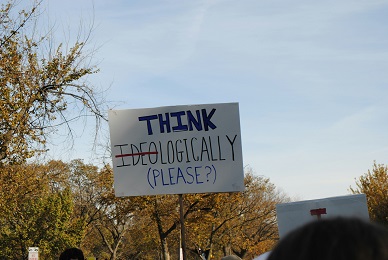
In the contemporary digital landscape, the phenomenon known as information overload has become increasingly prevalent. As individuals, we are inundated with an overwhelming amount of data from a myriad of sources, ranging from social media platforms to news websites. This incessant flow of information has significant implications for our cognitive processes, particularly in how we think critically and independently. The availability of information at our fingertips can lead to a paradoxical effect. On one hand, access to diverse viewpoints and a wealth of knowledge can enhance our understanding of various subjects. However, the sheer volume of material can also result in confusion and difficulty in discerning credible sources from unreliable ones. Consequently, the act of processing information often requires considerable effort, and many individuals may find themselves relying heavily on external sources instead of engaging in independent thought.
Moreover, the mechanisms of algorithm-driven content curation further complicate our relationship with information. As algorithms tailor what we see based on previous interactions, there is a tendency to create echo chambers, reinforcing existing beliefs rather than challenging them. This phenomenon can diminish our capacity for independent thought, as critical engagement with opposing viewpoints becomes less frequent. Furthermore, the reliance on curated feeds can lead individuals to absorb information passively rather than seeking out knowledge proactively.
Ultimately, while we exist in an age characterized by unprecedented access to information, we must question the extent to which this accessibility fosters genuine independent thinking. The challenge lies in navigating this landscape in a manner that promotes critical assessment of data, allowing us not only to consume information but also to analyze and challenge it effectively. Recognizing these dynamics is essential in fostering a culture of thoughtful engagement with the information we encounter daily.
The Influence of Social Media on Our Thought Processes
Social media has become an integral part of modern communication, profoundly influencing the way we think and form opinions. Platforms such as Facebook, Twitter, and Instagram utilize sophisticated algorithms to curate content, tailoring feeds according to individual user preferences. This personalization, while intended to enhance user experience, can inadvertently limit exposure to diverse viewpoints. Users often find themselves ensconced in bubbles of like-minded individuals, leading to the phenomenon known as echo chambers, where contrary opinions are not only underrepresented but often dismissed.
In such environments, the opportunity for independent thought diminishes, as people may come to accept prevailing narratives without critical examination. The constant reaffirmation of existing beliefs can create a false sense of consensus, making it challenging for individuals to consider alternative perspectives. Social validation through ‘likes’ and ‘shares’ can reinforce conformity, subtly discouraging users from voicing dissenting opinions in favor of group acceptance.
The implications of this are far-reaching. Research indicates that social media can shape political beliefs, consumer choices, and even societal norms. Instead of being a platform for sharing diverse ideas, the curated nature of social media can lead to polarization, where individuals become entrenched in their viewpoints. While some argue that social media fosters an environment for grassroots movements and encourages activism, it is equally crucial to recognize its potential to stifle critical thinking and promote a homogenous view of issues.
Thus, the role of social media in shaping public opinion raises important questions about autonomy in our thought processes. Are we actively engaging with a variety of perspectives, or are we unwittingly allowing algorithms to dictate our beliefs? The challenge lies in navigating these platforms mindfully, fostering an environment where individual thinking can thrive amidst the noise of conformity.
The Rise of Expert Opinions: Do We Trust Too Easily?
In contemporary society, the reliance on expert opinions has surged, coloring our decision-making processes across various domains, from health to politics. This phenomenon raises critical questions about our ability to think independently. As information becomes increasingly complex, individuals often seek guidance from those deemed knowledgeable, leading to a tendency to trust experts rather than engaging in personal research or critical analysis.
Experts, by virtue of their specialized knowledge, certainly offer valuable insights that can enhance our understanding of intricate subjects. However, the danger lies in the potential for this dependence to overshadow our personal judgment. By deferring to experts, there is a risk that we might not recognize the importance of diverse perspectives or alternative viewpoints. Consequently, our capacity to form independent thoughts may be diminished.
This impact of expert reliance is particularly visible in fields such as medicine, where patients frequently accept treatment recommendations without questioning or seeking second opinions. While it is prudent to consider the advice of trained professionals, excessive trust can lead to passive acceptance of information, resulting in uninformed decisions which may not align with personal beliefs or values.
Moreover, the rise of misinformation complicates this dynamic further. In an age where social media allows for rapid dissemination of both accurate and misleading information, our evaluation of expert advice is often insufficiently critical. It is essential for individuals to cultivate critical thinking skills and educate themselves, adopting a balanced approach that considers expert input while remaining open to independent reasoning.
Ultimately, finding a middle ground where expert opinions are valued yet not blindly accepted is vital to maintaining our intellectual autonomy. Individuals must navigate the fine line between seeking expertise and nurturing their own capacity for critical analysis, ensuring that the process of decision-making remains truly their own.
Cognitive Dissonance and Its Role in Decision Making
Cognitive dissonance is a psychological phenomenon that occurs when an individual experiences mental discomfort resulting from holding conflicting beliefs, attitudes, or values. This tension often stems from the need for consistency in our beliefs and the desire to maintain a positive self-image. As humans, we typically prefer harmonized thoughts, which can lead to an innate struggle when faced with contradictory information. The consequences of cognitive dissonance can significantly affect our decision-making processes, particularly in today’s complex world filled with multifaceted information.
In many cases, when individuals encounter information that conflicts with their existing beliefs, they may experience a sense of discomfort or unease. To mitigate this discomfort, people often resort to rationalization, either by denying the validity of the new information or by altering their original beliefs to align with the prevailing opinion. This psychological adjustment often results in a greater acceptance of popular opinions, overshadowing one’s ability to think critically and independently.
The influence of cognitive dissonance becomes even more pronounced in social contexts where conformity pressures are prevalent. As individuals find themselves in environments where prevailing beliefs are widely accepted, they may feel compelled to align their thoughts with those of the majority, ultimately sacrificing their own autonomy in the decision-making process. This phenomenon raises significant questions about the extent to which individuals truly think for themselves, highlighting a crucial intersection between cognitive dissonance and independent thinking.
In essence, the implications of cognitive dissonance extend beyond personal belief systems and societal norms, prompting us to reflect on our decision-making approaches. By recognizing and understanding the effects of cognitive dissonance, individuals may regain a semblance of control over their thoughts and decisions, fostering a more profound commitment to independent thinking.
Critical Thinking Skills: Are They Deteriorating?
In the contemporary landscape of education and information consumption, the state of critical thinking skills appears to be a topic of considerable concern. Critical thinking, the ability to analyze information and form independent judgments, is essential in navigating complex societal challenges. However, there are increasing indicators that these vital skills may be deteriorating, raising questions about our capacity for autonomous thought.
One significant factor in this decline is the shift in educational practices. In many institutions, the emphasis has moved away from fostering critical thinking towards rote memorization and standardized testing. Such a focus can lead to a lack of engagement with material, as students are often discouraged from questioning established knowledge. Instead of nurturing curiosity and independent thought, the current systems may prioritize compliance over creativity.
Moreover, the ubiquity of digital information and social media presents another challenge to critical thinking development. The consumption of information from various online sources can promote passive absorption rather than active analysis. Social media algorithms tend to create echo chambers, where individuals receive information that aligns with their pre-existing beliefs, thus limiting exposure to diverse perspectives. This reinforces a cycle where few challenge their views, inhibiting the growth of critical thought.
Furthermore, many educators feel ill-equipped to teach critical thinking skills effectively. A lack of professional development and resources may result in educators resorting to traditional instructional methods that do not encourage analytical engagement. As such, the current educational landscape may require significant reform to better prepare individuals for the complexities of critical thinking in a rapidly changing world.
Ultimately, it is imperative to evaluate and revitalize the mechanisms through which critical thinking is taught. Society must come together to implement educational strategies that promote inquiry, analysis, and synthesis of information, ensuring that the skills needed for independent thought are not only preserved but enhanced in the future.
The Impact of Technology on Independent Thought
The advent of technology has undeniably transformed our lives, providing unprecedented convenience and access to information. While this can foster enhanced learning and connectivity, it may also hamper our capacity for independent thought. In an age dominated by smartphones, social media, and instant access to data, many individuals find themselves relying heavily on digital devices for information and decision-making.
Traditionally, critical thinking and independent thought were cultivated through personal exploration, contemplation, and discourse. However, technology compels users to streamline thought processes in favor of fast answers. As a consequence, individuals may become more reliant on algorithms and search engines to form opinions, leading to a reduction in deep analytical skills. This reliance can hinder our ability to evaluate diverse perspectives critically, as we may unconsciously seek out information that confirms our preconceived notions rather than challenging them.
Moreover, the constant barrage of information from various sources can result in cognitive overload. Navigating through vast amounts of content requires significant mental effort, and in many cases, individuals opt for passive consumption of information rather than active evaluation. This shift affects independent thought, diminishing the quality of our analytical capabilities and promoting a culture of superficial understanding. Furthermore, the immediacy associated with technology may promote a culture of distraction, making it harder for individuals to focus and reflect deeply on issues.
In conclusion, while technology serves as a valuable tool in facilitating access to knowledge, it poses challenges to our ability to think independently. Striking a balance between leveraging technological conveniences and fostering critical thinking is essential for maintaining the integrity of our thought processes in this digital age.
Case Studies: Moments When Independent Thought Shone Through
Throughout history, there have been pivotal moments that exemplify the profound impact of independent thought. These case studies serve as a testament to the power of critical thinking and its capacity to catalyze social, political, and scientific transformations.
A prominent example can be found in the Enlightenment period, which marked a significant shift in philosophical and intellectual thought in Europe. Thinkers such as Voltaire, Rousseau, and Locke challenged existing norms and authority, advocating for reason and individual liberty. Their ideas not only fueled revolutions, such as the American and French revolutions, but also laid the groundwork for modern democratic principles. The courage to question dogma and seek knowledge for oneself fundamentally altered the trajectory of governance and personal rights.
In the realm of science, the story of Galileo Galilei provides another compelling illustration. Defying the long-held beliefs of a geocentric universe, Galileo’s advocacy for heliocentrism, based on meticulous observation and reasoning, not only faced severe opposition from the Church but also sparked a scientific revolution. His commitment to empirical evidence and the scientific method underscored the importance of thinking independently rather than conforming to accepted ideologies.
Another notable example of independent thought can be seen in the Civil Rights Movement. Leaders like Martin Luther King Jr. and Rosa Parks exhibited extraordinary bravery in standing against systemic racism and injustice. Their willingness to question societal norms and advocate for equality inspired millions, leading to significant legislative changes and societal shifts. Through their actions, they illustrated how independent thought can promote social progress and foster a more equitable society.
These case studies highlight the critical importance of independent thought across various domains, emphasizing that questioning the status quo can lead to transformative change. They remind us that the ability to think for ourselves not only serves as a catalyst for innovation but also strengthens the foundation of a more just and informed world.
Practical Tips for Cultivating Independent Thought
In an age saturated with information, cultivating independent thought is essential for making informed decisions. One effective method for enhancing critical thinking skills is to engage actively with diverse sources of information. This involves not only reading articles, books, and reports, but also considering varying perspectives. By exposing oneself to contrasting viewpoints, individuals can better analyze complexities, compare arguments, and form their own conclusions based on evidence rather than consensus.
Another practical strategy is to implement the habit of questioning information critically. When confronted with a piece of data or a claim, ask fundamental questions such as: Who is presenting this information? What is their credibility? What motives might they have for presenting their views in a particular way? By evaluating the source, one can discern bias or vested interests that might skew the information’s reliability. This critical appraisal fosters independent thought by enabling individuals to sift through the noise and distinguish facts from opinions.
Furthermore, personal reflection plays a crucial role in nurturing independent thinking. Setting aside dedicated time each week for journaling can significantly enhance self-awareness and cognitive clarity. Writing about daily experiences, insights, and dilemmas encourages deeper reflection, leading to greater understanding of one’s beliefs and values. This process can refine decision-making skills and bolster confidence in one’s judgments, as individuals learn to trust their reasoning capabilities.
Lastly, it is beneficial to engage in discussions with others who hold differing opinions. By participating in respectful debates and dialogues, individuals not only improve their argumentative skills but also learn to appreciate the subtleties of complex issues. Such interactions can challenge preconceived notions and stimulate open-mindedness, further encouraging the development of independent thought.
Conclusion: Reclaiming Our Ability to Think for Ourselves
In an era marked by relentless information flow and pervasive digital influence, the ability to think independently has become increasingly vital. Throughout this discussion, we have explored how social media, news outlets, and advertising strategies can shape our thoughts, often leading us to accept information without critical evaluation. This phenomenon underlines the importance of cultivating independent thought within society.
Reclaiming our ability to think for ourselves requires a multifaceted approach. First and foremost, it is essential to engage in critical thinking practices. This involves questioning the information presented to us, evaluating its sources, and exploring alternative perspectives. By doing so, individuals can move beyond passive consumption of information to active analysis, thus enhancing their decision-making processes.
Moreover, fostering an environment that encourages open discourse is crucial. Engaging in conversations with diverse groups can expose us to differing viewpoints and challenge our preconceived notions. This not only broadens our understanding of complex issues but also strengthens our commitment to forming our own opinions based on a wide range of inputs.
Additionally, setting boundaries on our media consumption can greatly assist in this endeavor. By curating the content we engage with and incorporating a variety of reliable sources, we can mitigate the effects of algorithmic bias and move towards a more balanced perspective. It is equally important to develop the habit of stepping away from screens and reconnecting with our own thoughts, whether through journaling, meditation, or simply taking time to reflect.
In conclusion, thinking for ourselves is not merely a personal endeavor. It is a collective responsibility that can shape the future of our societies. By adopting critical thinking habits, fostering open dialogue, and being mindful of our media consumption, we can reclaim our ability to think independently and contribute more thoughtfully to the world around us.