



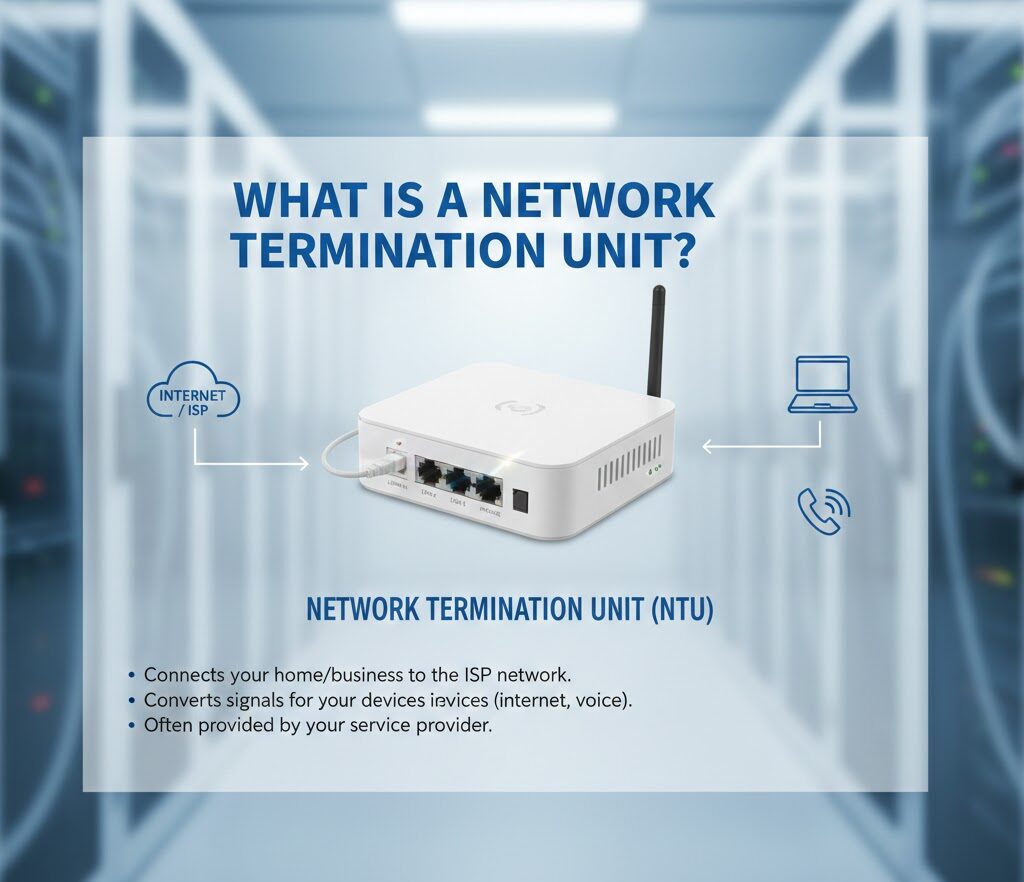
In today’s fast-paced digital world, connectivity is king. Whether you’re streaming videos, working from home, or running a business, a reliable internet connection is essential. But have you ever wondered how your network connects to the outside world? Enter the Network Termination Unit (NTU). This unsung hero plays a crucial role in ensuring that your data flows seamlessly between your local network and service providers. Understanding what is network termination unit is can help demystify the technology behind your everyday online experiences. Let’s dive into this fascinating component of networking and discover its purpose and importance in our connected lives.
Functions and Components of NTU
A Network Termination Unit (NTU) plays a critical role in connecting customer premises equipment to the service provider’s network. It acts as an interface, ensuring smooth communication between different systems. One of its primary functions is signal conversion. The NTU translates signals from one format to another, enabling compatibility between various technologies used by providers and end-users. Additionally, it provides electrical isolation for safety purposes, protecting both the devices connected to it and the network itself from potential surges or faults. The components of an NTU typically include power supplies, interfaces for data transmission, and diagnostic tools. These elements work together to monitor performance and troubleshoot issues effectively. With built-in indicators like LEDs, users can easily assess the operational status at a glance. Each component contributes significantly to maintaining a reliable connection between networks while enhancing overall efficiency.
Types of NTUs
Network Termination Units come in various types, each suited for specific applications. The most common types include TDM (Time Division Multiplexing) NTUs and ATM (Asynchronous Transfer Mode) NTUs. TDM NTUs are designed to manage multiple digital signals over a single communication line. They efficiently allocate time slots for different data streams, ensuring optimal bandwidth utilization. On the other hand, ATM NTUs specialize in handling variable-sized packets of data. This flexibility allows them to support diverse traffic types like voice, video, and text simultaneously. Another variant is the Ethernet NTU, which interfaces traditional telecom circuits with Ethernet networks. This type plays a crucial role in modern network infrastructures as businesses transition from legacy systems to more advanced solutions. There are fiber optic NTUs that connect optical fibers directly to end-user equipment. These units provide high-speed connectivity essential for today’s demanding online environments.
Benefits of Using an NTU
A Network Termination Unit (NTU) offers several advantages that enhance network performance. One significant benefit is improved connectivity. NTUs facilitate seamless communication between different networks, ensuring data flows smoothly. Another key advantage lies in reliability. They help maintain stable connections and minimize downtime by managing network traffic effectively. This stability is crucial for businesses that rely on uninterrupted internet access. Security features are also notable with NTUs. Many units come equipped with protocols to protect data integrity against potential threats, adding an extra layer of safety. Additionally, NTUs often enable easier troubleshooting and maintenance. Their built-in diagnostic tools allow for quick identification of issues, making it simpler to resolve problems as they arise. Scalability is enhanced through the use of NTUs. As a business grows, these units can support increased bandwidth demands without compromising performance or quality.
How to Set Up and Use an NTU
Setting up a Network Termination Unit (NTU) can seem daunting, but it’s quite straightforward. Begin by locating the power source for your NTU and ensure it’s near your network equipment. Next, connect the incoming line from your service provider to the designated port on the NTU. This is typically marked clearly for easy identification. Once that’s done, attach an Ethernet cable from one of the output ports of the NTU to your router or switch. This establishes communication between your broadband connection and local network. After all physical connections are made, plug in and power on the NTU. Wait a few moments for it to boot up properly; status lights will indicate when it’s ready. Check connectivity by testing devices connected to your network. A simple ping test can confirm everything is working smoothly.
Common Issues with NTUs and Troubleshooting Tips
Network Termination Units can face a range of issues that may disrupt connectivity. One common problem is power failure. Ensure the NTU is properly plugged in or consider replacing faulty cables. Another frequent issue involves signal loss. Check for loose connections between devices and ensure your NTU isn’t overloaded with too many connections. Configuration errors often lead to frustration. Verify settings against the manufacturer’s guidelines, as even small discrepancies can hinder performance.
If you experience slow internet speeds, run diagnostics on both the NTU and connected devices. Sometimes, a simple reboot resolves this issue swiftly.
Overheating might occur due to inadequate ventilation. Make sure your NTU has enough airflow around it to prevent thermal-related malfunctions. Regular maintenance checks can help identify these problems before they escalate into significant outages.
Conclusion
Understanding what a network termination unit (NTU) entails is essential for anyone involved in networking and telecommunications. These devices serve as critical junctures between different networking technologies, facilitating seamless connectivity and communication. The various functions of an NTU—including signal conversion, protocol handling, and network management—highlight its importance within any corporate or home setup. With the diverse types available, users can choose solutions that best meet their specific needs. Using an NTU comes with numerous benefits such as enhanced performance stability, improved security features, and simplified troubleshooting processes. Setting one up may seem daunting at first; however, following simple guidelines can make the process efficient and straightforward. Of course, issues can arise from time to time. Knowing common problems along with effective troubleshooting tips will empower you to keep your network running smoothly without unnecessary downtime. A well-functioning NTU plays a vital role in maintaining reliable internet service and overall network health. Understanding how it operates not only helps enhance user experience but also ensures that systems remain interconnected effectively.