


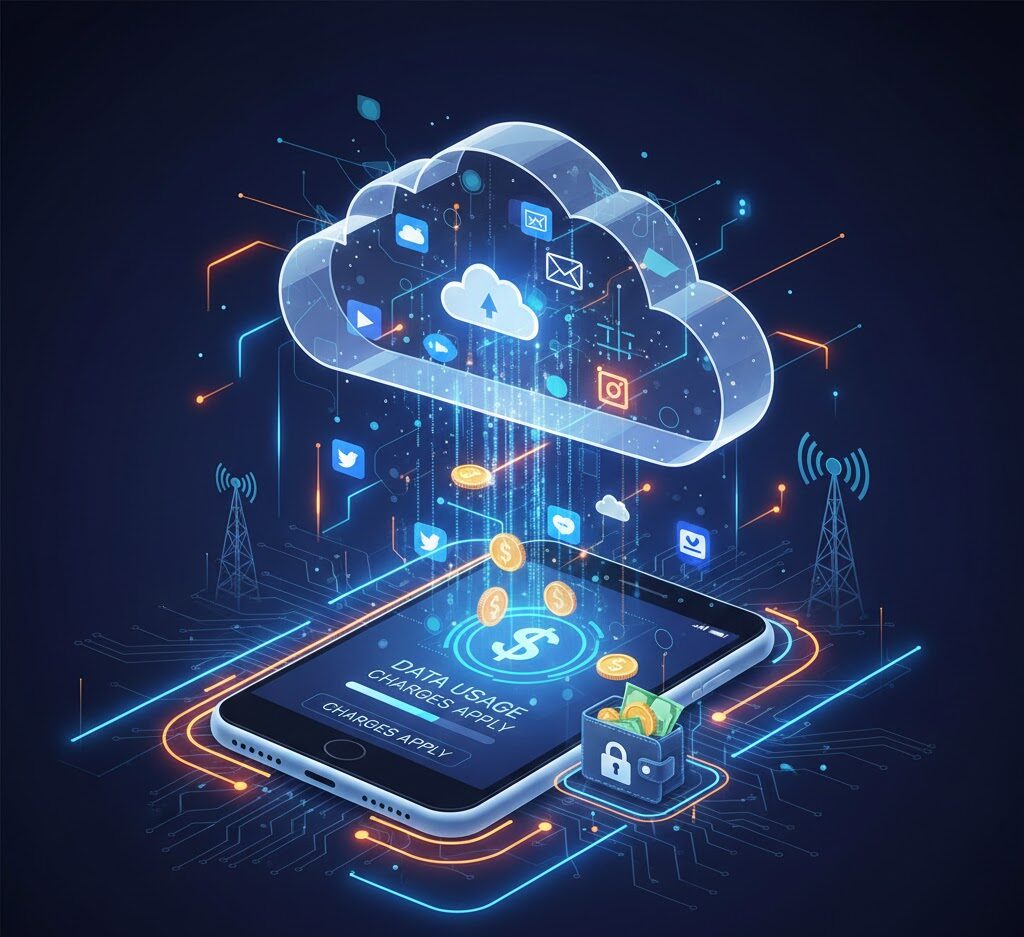
Data charges are a topic that often flies under the radar until you receive an unexpected bill. Have you ever wondered, “What are data charges?” You’re not alone. As our reliance on smartphones and internet connectivity grows, so does the complexity of understanding how these costs work. From streaming your favorite shows to scrolling through social media feeds, every action can impact your monthly expenses. In today’s digital age, knowing what triggers these charges is essential for managing your budget effectively. Let’s dive into the world of data charges and demystify how they affect your wallet—and what you can do about it!
Understanding the different types of data charges
Data charges come in various forms, each with its own implications for your wallet. The most common type is pay-as-you-go, where you only pay for the data you use. This plan can be flexible but may lead to unexpected costs if you’re not careful. Then there are unlimited plans. While they offer peace of mind regarding usage, many have restrictions on high-speed access after reaching a certain threshold. Understanding these limits is crucial to avoid frustration. Another category includes shared data plans. They allow multiple devices under one account but require careful monitoring to prevent overages from heavy users within the group. Additionally, roaming charges can catch travelers off guard when using their mobile data abroad. These fees often spike significantly compared to standard rates at home. Knowing which type of charge applies can help you make informed decisions about your phone usage and budget accordingly.
Factors that affect data charges
Several factors influence data charges that can leave users feeling perplexed. One primary aspect is the type of plan you choose. Different carriers offer various pricing structures, which may include unlimited options or pay-as-you-go models. Usage patterns also play a significant role. Streaming high-definition videos consumes far more data than browsing social media, so knowing how you use your device can help manage costs. Network coverage and speed impact prices too. Areas with limited service might lead to higher charges as providers invest in infrastructure.
Promotional offers and discounts can sway pricing significantly. Keeping an eye on these promotions allows customers to take advantage of lower rates when switching plans or providers. Understanding these factors helps users navigate the complex world of mobile data fees effectively.
Tips for managing your data usage and avoiding extra charges
Managing your data usage can save you from unexpected charges. Start by monitoring your data consumption regularly using built-in tools on your smartphone or apps designed for tracking. It’s wise to connect to Wi-Fi whenever possible. This simple step allows you to stream, download, and browse without eating into your mobile plan. Adjust app settings too. Many applications allow you to restrict background data usage or limit updates over cellular networks. Consider downloading content when you’re on Wi-Fi. Music, movies, and even podcasts can be saved offline for later enjoyment without draining your data.
Set alerts through your carrier’s app to notify you when you’re nearing your limit. Being proactive helps keep surprises at bay while ensuring a smooth experience with minimal stress related to charges.
The future of data charges and potential changes in the industry
The landscape of data charges is rapidly evolving. With advancements in technology, we might see a shift towards more transparent pricing models. 5G networks are emerging as game-changers. Their increased speed and capacity could lead to new usage patterns, influencing how data is billed. Providers may offer flexible plans tailored to individual needs instead of one-size-fits-all packages.
Additionally, the rise of artificial intelligence may streamline billing processes. This can help consumers understand their data consumption better and avoid unexpected fees. Regulatory changes also loom on the horizon. Governments worldwide are exploring measures that promote fair pricing and eliminate hidden costs in mobile contracts. As competition intensifies among carriers, innovative solutions like pay-as-you-go or subscription-based services could become mainstream, offering users more control over their spending habits while enjoying seamless connectivity.
Alternatives to traditional data plans
As mobile technology evolves, alternatives to traditional data plans are gaining traction. One option is prepaid plans, which offer flexibility without long-term commitments. Users can pay upfront for a set amount of data, making budgeting easier. Another popular choice is Wi-Fi-first services. These providers prioritize Wi-Fi connections over cellular networks. They help reduce reliance on expensive mobile data while ensuring seamless connectivity in urban areas. For those who frequently travel or use international services, global SIM cards present an appealing solution. They provide access to local networks at reduced rates, eliminating hefty roaming charges.
In addition, many apps allow users to download content for offline use. By storing music and videos ahead of time, you can enjoy entertainment without consuming precious data on the go. Community-based solutions like mesh networks are emerging in some neighborhoods. These grassroots efforts create shared internet access that benefits everyone involved.
Conclusion
Data charges are an essential aspect of our digital lives. Understanding what they are and how they work can help you navigate your mobile plan more effectively. Different types of data charges exist, from pay-per-use to unlimited plans, each with its own set of rules. Factors like location, network congestion, and the type of content you’re consuming can influence your overall data costs. By being mindful of these elements and implementing simple strategies to monitor usage—such as using Wi-Fi whenever possible or utilizing built-in tracking features on devices—you can reduce your risk of incurring extra charges. The landscape around data fees is evolving. With advancements in technology and changing consumer expectations, we may see new models emerge that cater better to user needs. Alternatives like prepaid options or shared family plans also offer flexibility for those seeking different ways to manage their expenses without sacrificing connectivity. Staying informed about what constitutes data charges equips you with the knowledge necessary to make educated choices about your mobile usage moving forward. Embracing this understanding could ultimately save you money while enhancing your online experience.